

Introduction
Getting your wisdom teeth removed is not exactly a fun experience. One day you’re eating your favorite spicy snacks without a care. The next, you’re stuck Googling what you can and can’t eat. It feels unfair, honestly. But healing is a process, and rushing it can mess things up badly.
The question most people quietly obsess over is simple: when can I eat spicy food again? The answer is not the same for everyone. Your body heals at its own pace. Still, there are clear stages most people go through.
Spicy food might seem harmless, but after surgery, your mouth is sensitive. The tissues are healing. Even a small mistake can cause pain, irritation, or worse, infection. So yeah, patience is the game here.
This guide breaks it all down. No fluff. Just practical, real talk. By the end, you’ll know when it’s safe to bring back the heat—and how to do it without regrets.
1. Why Spicy Food Is a Problem After Surgery
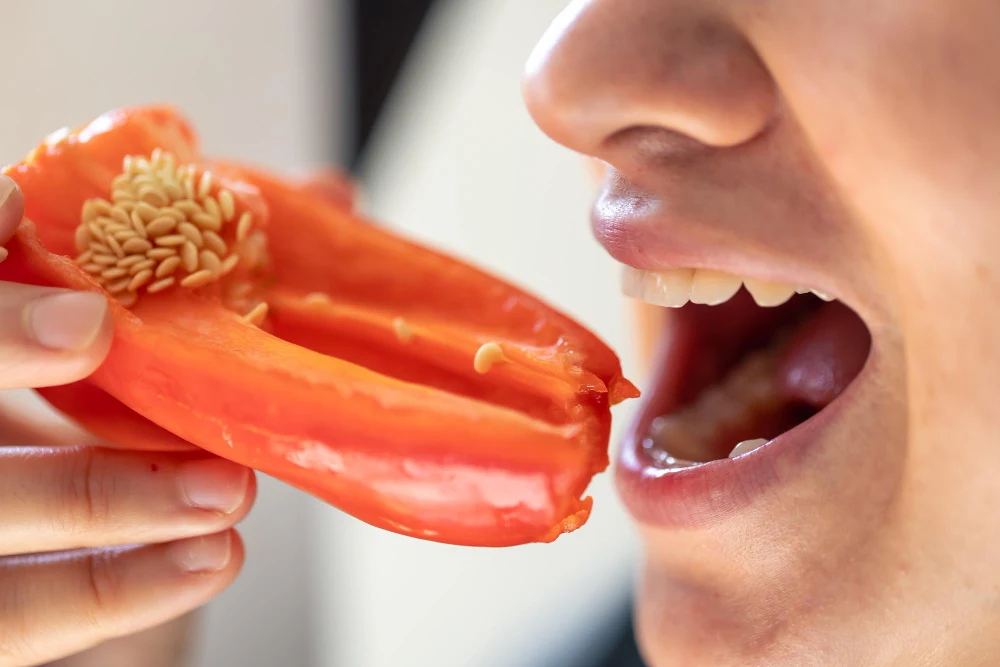
Let’s be real. Spicy food isn’t just “flavor.” It’s a full-on sensation. That heat comes from compounds that can irritate tissues. Normally, your mouth handles it like a champ. But after wisdom teeth removal? Different story.
Your gums are healing wounds. They’re not ready for aggressive stimulation. Spices can trigger burning, swelling, and discomfort. It’s like pouring salt on a fresh cut. Not a smart move.
Also, spicy food can increase blood flow to the area. Sounds good in theory, but right after surgery, it may cause bleeding or delay clot formation. And that clot? It’s everything. Lose it, and you risk a painful condition.
So yeah, skipping spicy food isn’t about being dramatic. It’s about protecting your recovery. Give your mouth time to rebuild before throwing heat back into the mix.
2. The First 24–48 Hours: Strict No Zone
This phase is non-negotiable. The first two days after surgery are critical. Your body is forming blood clots where the teeth were removed. These clots protect the bone and nerves underneath.
Spicy food during this time? Absolutely not. Even mild spices can irritate the area. Your diet should be as gentle as possible. Think soft, cool, and bland foods.
You might feel tempted to test your limits. Don’t. This is where most people mess up. A small mistake now can lead to serious discomfort later.
Stick to foods like yogurt, mashed potatoes, or smoothies. Keep everything simple. No heat. No crunch. No risk. Your future self will thank you.
3. Days 3 to 5: Still Too Soon
By day three, you might feel a bit better. Less swelling. Less pain. That confidence can trick you into thinking you’re ready for normal food again.
Not so fast.
Your gums are still healing. The tissues are fragile. Spicy food can still cause irritation and slow down recovery. Even if you don’t feel pain immediately, it can show up later.
This phase is about controlled progress. You can start adding slightly more texture to your meals. But keep the flavor mild. Avoid anything that feels intense.
Healing is not a race. You’re building a foundation here. Push too hard, and you’ll just set yourself back.
4. One Week After Surgery: Proceed with Caution
Around the one-week mark, things usually start looking better. The swelling goes down. Pain becomes manageable. You might even feel almost normal.
This is where people start thinking about spicy food again.
Technically, you can begin testing mild spice levels. But—and this is important—start slow. Don’t jump straight into fiery dishes. Your mouth is still sensitive.
Try something lightly seasoned first. Pay attention to how your body reacts. Any burning or discomfort? That’s your signal to stop.
This stage is about listening to your body. Not your cravings.
5. Two Weeks After Surgery: A Safer Window
By the second week, most people experience significant healing. The risk of complications drops. Your gums are stronger. You’re closer to your normal routine.
This is usually when spicy food becomes safer.
But again, don’t go all in immediately. Gradually increase spice levels. Give your mouth time to adapt. Think of it like easing back into exercise after an injury.
Also, avoid extremely hot or oily spicy foods at first. They can still irritate healing tissues.
You’re almost there. Just don’t rush the final stretch.
6. Signs You’re Ready for Spicy Food Again
Not everyone heals at the same speed. So instead of relying only on timelines, look for signs.
No pain when eating? Good sign. No swelling or bleeding? Even better. If your gums feel normal and you can chew comfortably, you’re probably ready to reintroduce spice.
But if you feel sensitivity, burning, or discomfort, hold off. Your body is telling you something.
Trust it.
Healing isn’t about hitting a deadline. It’s about reaching a state where your mouth can handle normal foods without stress.
7. Risks of Eating Spicy Food Too Early
Let’s not sugarcoat this. Eating spicy food too soon can lead to problems.
The biggest risk is irritation. That burning sensation can inflame your gums. It can delay healing. It can make eating uncomfortable again.
Worse, it can disturb the healing site. That increases the risk of complications. And trust me, you don’t want that.
Pain, swelling, and even infection can follow. All because you couldn’t wait a few more days.
It’s not worth it. Play it smart.
8. How to Reintroduce Spicy Food Safely
When you’re ready, ease into it. Start with mild spices. Avoid extreme heat levels. Keep portions small.
Also, combine spicy food with soft textures. This reduces irritation. Drink water alongside your meal. It helps cool things down.
Don’t eat spicy food on an empty stomach either. That can make the sensation feel stronger.
And most importantly, stop if you feel discomfort. There’s no prize for pushing through pain.
9. Best Foods to Eat During Recovery
While you’re waiting to eat spicy food again, focus on healing-friendly options.
Soft foods are your best bet. Think mashed potatoes, soups, yogurt, scrambled eggs, and smoothies.
These foods are easy to chew. They don’t irritate your gums. They help you stay nourished without risking your recovery.
You can still enjoy flavor. Just keep it mild. Use herbs instead of spices. It’s a simple swap that makes a big difference.
10. Foods You Should Avoid Completely
Spicy food isn’t the only thing to avoid. There are other troublemakers too.
Crunchy foods can damage healing gums. Sticky foods can get stuck in the extraction site. Hot foods can increase irritation.
Avoid chips, nuts, popcorn, and anything hard. Stay away from extremely hot beverages too.
Your goal is simple: protect the healing area at all costs.
11. The Role of Oral Hygiene in Recovery
Eating habits matter. But so does hygiene.
Keeping your mouth clean helps prevent infection. It supports faster healing. It reduces the risk of complications.
Follow your dentist’s instructions. Rinse gently. Avoid aggressive brushing near the extraction site.
Clean mouth, smooth recovery. It’s that simple.
12. Common Mistakes People Make
People get impatient. It’s normal. But it leads to mistakes.
They eat spicy food too early. They ignore discomfort. They assume healing is complete just because pain is gone.
Big mistake.
Pain is not the only indicator. Healing happens beneath the surface too. Respect the process.
13. How Long Full Recovery Takes
Full recovery can take a few weeks. Sometimes longer.
Even if you feel fine after two weeks, deeper healing may still be ongoing. That’s why gradual reintroduction of foods is important.
Don’t rush back to extreme eating habits. Build up slowly.
14. When to Contact Your Dentist
If you experience severe pain, swelling, or unusual symptoms, don’t ignore it.
Reach out to your dentist. It’s better to check early than deal with complications later.
Your recovery matters. Take it seriously.
15. Final Thoughts
Spicy food will still be there. Your healing mouth needs priority right now.
Wait at least one to two weeks before reintroducing spice. Start slow. Listen to your body. Avoid rushing the process.
It’s not about restriction. It’s about recovery done right.
Take care of your mouth now, and you’ll be back to enjoying your favorite foods without worry.
FAQs
1. When can I eat spicy food after wisdom teeth removal?
Usually after 1–2 weeks, depending on healing progress.
2. Can spicy food cause complications?
Yes, it can irritate gums and delay healing.
3. What happens if I eat spicy food too early?
You may experience pain, irritation, or delayed recovery.
4. Is mild spice okay after a week?
In small amounts, yes—but proceed cautiously.
5. How do I know I’m ready for spicy food?
No pain, no swelling, and comfortable chewing.
6. Can spicy food cause infection?
Indirectly, yes, by irritating healing tissues.
7. What foods help faster healing?
Soft, bland foods like yogurt and mashed potatoes.
8. Should I avoid hot temperature foods too?
Yes, especially in the early recovery phase.
9. Can I eat spicy noodles after surgery?
Not immediately. Wait until your gums have healed.
10. Is it okay to test spicy food gradually?
Yes, that’s the safest approach.
CTA
If you’re navigating recovery and want simple, clear health guidance without the noise, Cureaware offers practical insights that help you make better everyday decisions—at your own pace.