

How Long Does It Take for a Cataract to Grow?
Quick Answer
If you’re wondering how long does it take for a cataract to grow, the answer varies from person to person. Most cataracts develop slowly over several years. Some cataracts may take 5 to 15 years to significantly affect vision. Others can progress much faster within months.
Quick Facts
- Cataracts usually grow slowly.
- Most age-related cataracts take years to develop.
- Some cataracts can worsen within months.
- Diabetes may speed up cataract growth.
- Smoking can increase progression.
- UV exposure may contribute to faster development.
- Cataracts do not go away on their own.
- Surgery is the only permanent treatment.
- Early diagnosis helps protect vision.
- Regular eye exams are important after age 40.
Understanding Cataracts
A cataract is a clouding of the natural lens inside the eye. The lens normally remains clear. It helps focus light onto the retina. This allows you to see sharp images.
When proteins inside the lens begin to break down, they start forming cloudy areas. These cloudy patches gradually grow larger. Over time, they interfere with light passing through the eye.
The process is usually slow. Many people do not notice symptoms in the beginning. Vision may seem normal for years. Small cataracts often cause little to no discomfort.
As the cataract grows, vision becomes increasingly blurry. Colors may appear faded. Night driving can become difficult. Bright lights may cause glare.
The growth rate depends on several factors. Age is the most common cause. Genetics also plays a role. Medical conditions such as diabetes may accelerate the process.
Understanding cataracts early allows patients to monitor changes. Regular eye examinations help detect progression before vision becomes severely affected.
How Long Does It Take for a Cataract to Grow?
The timeline for cataract growth varies significantly. There is no single answer that applies to everyone.
Most age-related cataracts develop gradually. They may take anywhere from five to fifteen years before causing major vision problems. In many cases, people live with mild cataracts for years before needing treatment.
Some individuals notice only slight changes initially. Reading may become more difficult. Night vision may decrease. These symptoms often progress slowly.
However, not all cataracts follow the same pattern. Certain cataracts can grow rapidly. Cataracts caused by diabetes, eye injuries, medications, or radiation exposure may worsen much faster.
Posterior subcapsular cataracts are known for progressing quickly. They can affect vision within months rather than years.
The exact growth rate depends on age, health conditions, lifestyle choices, and genetics. This is why regular monitoring is essential.
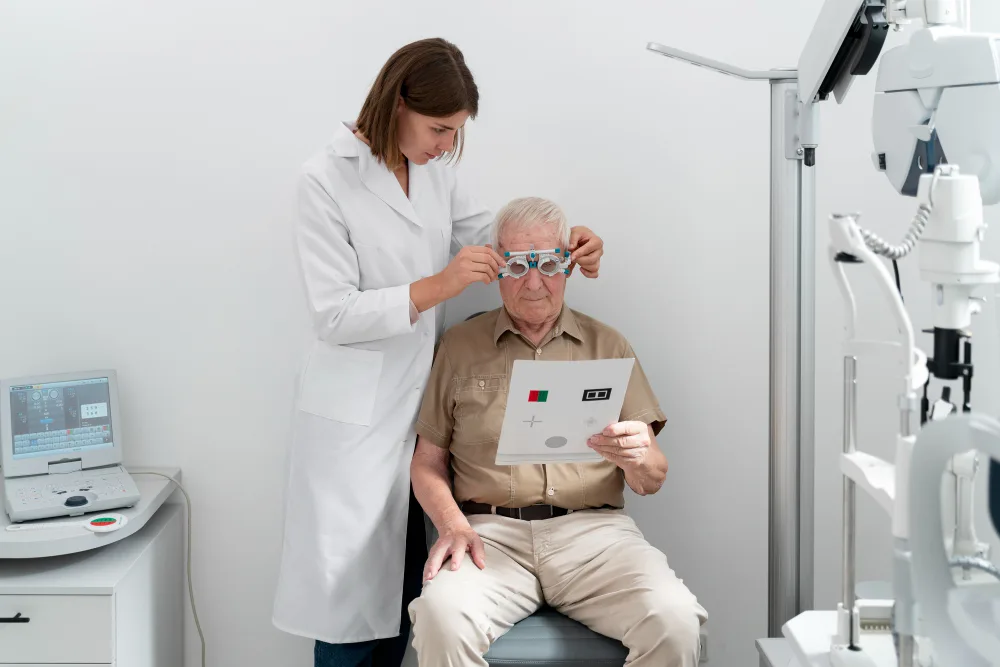
An eye specialist can evaluate cataract progression during routine exams. They can determine whether the cataract is stable or advancing.
Ultimately, cataracts grow at different speeds. The best approach is consistent monitoring and timely treatment when vision begins interfering with daily activities.
Stages of Cataract Development
Cataracts usually develop in stages. Understanding these stages helps patients recognize changes in their vision.
Early Stage
At this stage, clouding is minimal. Most people experience no symptoms. Vision remains relatively clear. Cataracts are often detected during routine eye exams.
The lens begins accumulating protein deposits. These deposits are small and may not affect daily activities.
Moderate Stage
The cloudy area becomes larger. Vision starts becoming blurry. Reading may require brighter light. Night driving becomes more challenging.
People may notice halos around lights. Colors may lose brightness. Prescription glasses may need frequent updates.
Advanced Stage
Vision becomes noticeably impaired. Daily tasks become difficult. Watching television, driving, and reading may become frustrating.
The cataract blocks more incoming light. Vision quality continues declining despite corrective lenses.
Mature Cataract
The lens becomes heavily clouded. Significant vision loss occurs. Surgery is usually recommended at this point.
Recognizing these stages helps patients understand the progression process and seek treatment before severe vision impairment develops.
Factors That Affect Cataract Growth Speed
Several factors influence how quickly cataracts grow. Understanding these risk factors helps explain why some people experience rapid progression.
Age
Age remains the leading cause of cataracts. As people grow older, natural changes occur inside the eye lens. Protein structures begin breaking down.
Most age-related cataracts develop slowly. Symptoms may take years to become noticeable.
Diabetes
High blood sugar levels can accelerate cataract formation. People with diabetes often develop cataracts earlier than others.
They may also experience faster progression. Good blood sugar control can help reduce risk.
Smoking
Smoking exposes the body to harmful chemicals. These substances increase oxidative stress within the eye.
Research consistently links smoking to faster cataract development and progression.
UV Exposure
Long-term exposure to sunlight may contribute to cataract formation. UV rays can damage lens proteins over time.
Wearing sunglasses with UV protection may help lower this risk.
Medications
Long-term steroid use is associated with cataract development. Certain medications may increase the likelihood of faster progression.
Discuss concerns with your healthcare provider if you use steroids regularly.
Understanding these factors allows individuals to make healthier choices and potentially slow cataract progression.
Symptoms That Indicate Cataracts Are Growing
As cataracts develop, symptoms become more noticeable. These signs can indicate that the cataract is progressing.
Blurred vision is often the earliest symptom. Images may appear cloudy or foggy. Glasses may no longer provide clear correction.
Many people notice increased sensitivity to light. Bright sunlight may become uncomfortable. Indoor lighting can seem unusually harsh.
Night vision frequently worsens. Driving after dark becomes difficult. Headlights may create glare or halos.
Colors may appear dull or yellow. Objects lose their sharpness. Reading small print becomes more challenging.
Double vision in one eye can also occur. This symptom may become more noticeable as the cataract grows.
Frequent prescription changes are another warning sign. Vision may continue deteriorating despite updated glasses.
Recognizing these symptoms early allows patients to seek professional evaluation. Timely treatment can prevent significant vision loss and improve quality of life.
Can Cataracts Stop Growing on Their Own?
One of the most common questions patients ask is whether cataracts can stop growing naturally.
Unfortunately, cataracts do not disappear without treatment. The clouding process generally continues over time. While progression may slow temporarily, the cataract remains present.
Some people experience years with little noticeable change. Others see steady progression. The speed varies based on individual health factors.
Lifestyle improvements may help support eye health. Quitting smoking, managing diabetes, and protecting eyes from UV rays can be beneficial.
However, these measures cannot reverse existing cataracts.
No medication, eye drop, vitamin, or natural remedy has been proven to eliminate cataracts. Claims suggesting otherwise should be approached carefully.
The only effective treatment is cataract surgery. This procedure removes the cloudy lens and replaces it with a clear artificial lens.
Patients should work closely with their eye doctor to monitor progression and determine the right timing for treatment.
When Should You Consider Cataract Surgery?
Cataract surgery is usually recommended when vision problems begin affecting daily activities.
There is no need to wait until a cataract becomes fully mature. Modern surgical techniques allow treatment much earlier.
Many patients choose surgery when reading becomes difficult. Others seek treatment when driving feels unsafe.
Work performance may also suffer due to blurred vision. Hobbies such as sewing, painting, or sports can become frustrating.
Eye specialists evaluate several factors before recommending surgery. They assess vision quality, symptom severity, and overall eye health.
The procedure is considered one of the safest and most successful surgeries worldwide. Recovery is generally quick.
Most patients notice significant vision improvement shortly after surgery. Colors appear brighter. Objects become sharper.
Delaying surgery unnecessarily can make daily life more challenging. It may also increase surgical complexity in some advanced cases.
The decision should be based on quality of life rather than a specific timeline.
How Cataract Surgery Solves the Problem
Cataract surgery removes the cloudy lens causing vision problems. The surgeon replaces it with an artificial intraocular lens.
The procedure typically takes less than an hour. Most patients return home the same day.
Modern techniques use tiny incisions. Recovery is often smooth and comfortable. Many people resume normal activities within days.
The artificial lens remains permanently inside the eye. It cannot develop another cataract.
Vision improvement is often dramatic. Patients frequently report brighter colors, clearer images, and improved night vision.
Surgery success rates are extremely high. Serious complications are uncommon when performed by experienced specialists.
Regular follow-up appointments ensure proper healing. Eye drops are usually prescribed during recovery.
For individuals struggling with cataract-related vision loss, surgery offers a reliable and long-lasting solution.
How to Slow Cataract Progression Naturally
Although cataracts cannot be reversed naturally, certain habits may support long-term eye health.
A healthy diet rich in antioxidants may help protect eye tissues. Fruits and vegetables provide important nutrients.
Leafy greens, carrots, citrus fruits, and berries are excellent choices.
Managing diabetes is equally important. Stable blood sugar levels may reduce the risk of accelerated cataract growth.
Smoking cessation provides major benefits. Quitting smoking reduces oxidative stress throughout the body, including the eyes.
UV protection also matters. Wearing sunglasses and wide-brimmed hats can help limit sun-related damage.
Routine eye exams remain essential. Early detection allows eye specialists to monitor changes closely.
Adequate hydration and regular exercise support overall health as well.
While these measures cannot cure cataracts, they may contribute to healthier vision and potentially slower progression.
Why Regular Eye Exams Are Important
Regular eye examinations play a critical role in cataract management.
Many cataracts develop silently. Symptoms may not appear until significant clouding has occurred.
Eye doctors can identify early cataracts during comprehensive exams. This allows ongoing monitoring and timely intervention.
Examinations also help detect other eye conditions. Glaucoma, macular degeneration, and diabetic eye disease may occur alongside cataracts.
Early diagnosis often leads to better treatment outcomes.
Adults over age 40 should schedule routine eye exams according to professional recommendations. Individuals with diabetes may require more frequent evaluations.
Tracking cataract progression helps determine the ideal time for surgery.
Regular visits provide reassurance and protect long-term visual health.
Take Control of Your Eye Health with CureAware
Vision is one of your most valuable assets. Cataracts may develop slowly, but ignoring symptoms can affect your quality of life.
If you’re experiencing blurred vision, glare, or difficulty seeing at night, don’t wait for the condition to worsen.
CureAware helps individuals access trusted health information and guidance for making informed decisions about eye care. Stay proactive. Learn about your symptoms. Understand your treatment options. Connect with the right healthcare resources when you need them.
Your journey toward clearer vision starts with awareness. Let CureAware be your trusted partner in better eye health.
Frequently Asked Questions (FAQs)
1. How long does it take for a cataract to grow completely?
Most cataracts take between 5 and 15 years to develop fully. However, growth speed varies based on age, health conditions, and lifestyle factors.
2. Can cataracts develop within a few months?
Yes. Certain cataracts, especially those linked to diabetes, steroid use, or eye injuries, may progress within months.
3. Do all cataracts grow at the same rate?
No. Every cataract develops differently. Some remain stable for years, while others progress quickly.
4. What is the first sign of a growing cataract?
Blurred vision is often the earliest symptom. Increased glare and difficulty seeing at night are also common.
5. Can glasses stop cataracts from growing?
No. Glasses can temporarily improve vision but cannot prevent cataract progression.
6. Are cataracts painful?
Most cataracts are painless. They primarily affect vision rather than causing discomfort.
7. Can cataracts cause blindness?
Untreated advanced cataracts can lead to severe vision loss. However, cataract-related blindness is usually preventable with surgery.
8. Is cataract surgery always necessary?
Eventually, many patients require surgery when vision impairment affects daily activities.
9. Can eye drops remove cataracts?
No. Currently, no approved eye drops can eliminate cataracts.
10. Does diabetes make cataracts grow faster?
Yes. Diabetes is a major risk factor for faster cataract development and progression.
11. What age do cataracts usually start?
Age-related cataracts commonly begin developing after age 40, though symptoms may not appear until later.
12. Can cataracts come back after surgery?
No. The removed cataract cannot return. However, some patients may develop posterior capsule clouding, which is easily treated.