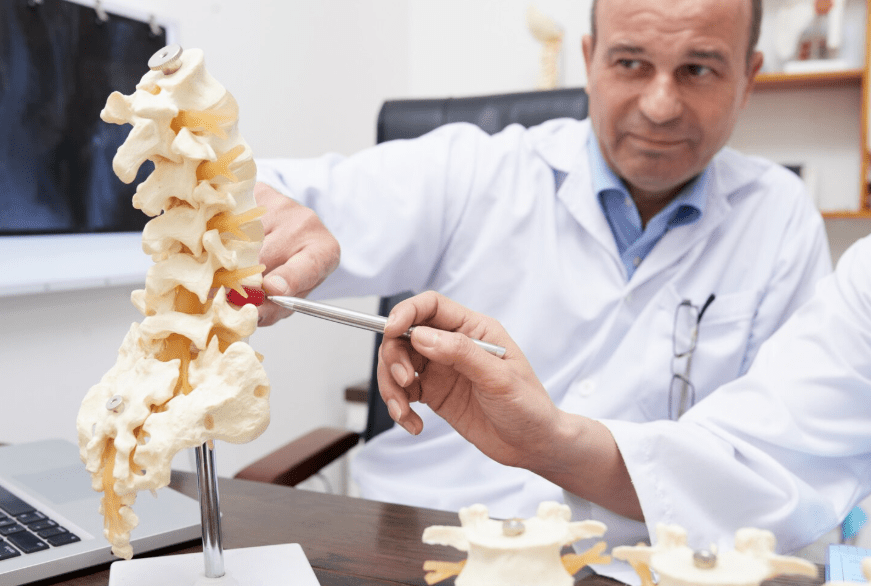




Recovering from cervical disc replacement surgery is an important part of achieving long-term pain relief and restoring neck function. While the procedure is designed to preserve motion and reduce pain caused by damaged cervical discs, every patient’s recovery journey is unique.
Whether you’re preparing for surgery or already recovering, understanding what to expect during each stage can help you heal safely and return to your normal activities with confidence.
This comprehensive guide explains the recovery timeline after cervical disc replacement surgery in New York, including pain management, physical therapy, activity restrictions, lifestyle recommendations, and answers to common patient questions.
Quick Answer
Most patients begin walking within hours after cervical disc replacement surgery and return home the same day or the following day. Light daily activities usually resume within 2–4 weeks, office work within 2–6 weeks, and more demanding physical activities within 8–12 weeks. Full recovery generally takes 3 to 6 months, although some patients continue improving for up to one year.
What Is Cervical Disc Replacement Surgery?
Cervical disc replacement, also known as artificial disc replacement (ADR), is a minimally invasive spine procedure that removes a damaged cervical disc and replaces it with an artificial implant.
Unlike spinal fusion, this procedure is designed to preserve natural movement between the vertebrae while relieving pressure on the spinal cord or nerve roots.
It is commonly recommended for patients experiencing:
- Chronic neck pain
- Herniated cervical discs
- Cervical radiculopathy
- Numbness or tingling in the arms
- Arm weakness
- Degenerative disc disease
- Loss of neck mobility
Why Recovery Matters
The surgery itself is only one part of treatment.
Your recovery determines how well your:
- Neck heals
- Muscles regain strength
- Nerves recover
- Range of motion improves
- Pain decreases
- Artificial disc functions over the long term
Following your surgeon’s recovery instructions significantly reduces complications and improves outcomes.
New York Cervical Disc Replacement Surgery Recovery Timeline
Immediately After Surgery (First 24 Hours)
Most patients are encouraged to stand and walk within a few hours after surgery.
During this period, you may experience:
- Mild neck soreness
- Difficulty swallowing
- Temporary hoarseness
- Shoulder stiffness
- Mild incision discomfort
These symptoms are generally normal and improve over several days.
Your healthcare team will monitor:
- Blood pressure
- Pain level
- Neurological function
- Walking ability
- Swallowing
Many patients return home the same day.
First Week of Recovery
The first week focuses on rest and gentle movement.
You should:
- Walk several times each day
- Stay hydrated
- Keep the incision clean
- Take medications as prescribed
- Avoid lifting heavy objects
- Avoid twisting your neck suddenly
Many patients notice that arm pain improves almost immediately after surgery.
Neck stiffness is still common during this stage.
Weeks 2–4
During weeks two through four:
- Pain gradually decreases.
- Walking becomes easier.
- Daily activities improve.
- Incision healing progresses.
- Swallowing becomes normal.
Your surgeon may recommend beginning gentle stretching exercises.
Patients with desk jobs often return to work during this period if approved by their surgeon.
One to Three Months
By this stage:
- Most surgical pain has resolved.
- Neck movement continues improving.
- Strength gradually returns.
- Physical therapy becomes more active.
- Daily activities become easier.
Patients often resume:
- Driving
- Grocery shopping
- Office work
- Light exercise
- Household activities
Heavy lifting may still be restricted.
Three to Six Months
Most patients experience major improvements by six months.
Common improvements include:
- Better neck mobility
- Less arm pain
- Improved posture
- Increased strength
- Better sleep
- Reduced nerve symptoms
The artificial disc becomes fully integrated with surrounding structures.
Six Months to One Year
Recovery continues throughout the first year.
Patients often report:
- Maximum pain relief
- Full neck mobility
- Better quality of life
- Improved work performance
- Return to recreational activities
Nerve healing may continue for many months.
How Pain Changes During Recovery
Pain is different for every patient.
Typical recovery pattern:
Days 1–3
- Surgical soreness
- Neck stiffness
- Mild swallowing discomfort
Week 1
- Less nerve pain
- Moderate muscle soreness
Weeks 2–6
- Significant pain reduction
- Improved mobility
Month 3
Most patients only experience occasional stiffness after prolonged activity.
Physical Therapy After Cervical Disc Replacement
Physical therapy helps restore:
- Neck flexibility
- Muscle strength
- Balance
- Posture
- Range of motion
Therapy often includes:
- Stretching exercises
- Strength training
- Shoulder mobility exercises
- Postural correction
- Core stabilization
- Walking programs
Patients should never begin exercises without medical clearance.
Walking After Surgery
Walking is one of the safest activities during recovery.
Benefits include:
- Better blood circulation
- Reduced blood clot risk
- Improved flexibility
- Faster healing
- Reduced stiffness
Patients usually start with:
- 5–10 minute walks
- Multiple times daily
Walking duration gradually increases over several weeks.
Sleeping After Cervical Disc Replacement
Sleeping comfortably can be challenging initially.
Recommended sleeping positions include:
Sleeping on Your Back
The preferred position.
Use:
- A cervical support pillow
- Small pillow beneath the knees
Sleeping on Your Side
Keep:
- Neck aligned
- Pillow between knees if comfortable
Avoid:
- Sleeping on your stomach
- Multiple thick pillows
- Twisting the neck overnight
Driving After Surgery
Driving depends on:
- Pain level
- Neck mobility
- Medication use
Most surgeons recommend waiting 2 to 4 weeks before driving.
Never drive while taking narcotic pain medications.
Returning to Work
Recovery varies depending on your occupation.
Office Jobs
Usually:
- 2–6 weeks
Light Physical Work
Usually:
- 6–8 weeks
Heavy Manual Labor
Often:
- 3 months or longer
Your surgeon determines when it is safe to return.
Exercise During Recovery
Safe activities include:
- Walking
- Gentle stretching
- Stationary cycling
- Physical therapy exercises
Avoid early in recovery:
- Running
- Weightlifting
- Contact sports
- High-impact workouts
- Heavy lifting
Diet That Supports Recovery
Healing requires proper nutrition.
Eat foods rich in:
Protein
Examples:
- Chicken
- Fish
- Eggs
- Greek yogurt
- Beans
Vitamin C
Supports tissue healing.
Sources include:
- Oranges
- Kiwi
- Strawberries
- Bell peppers
Calcium
Supports bone health.
Sources include:
- Milk
- Yogurt
- Cheese
Vitamin D
Helps calcium absorption.
Sources include:
- Fatty fish
- Fortified dairy
- Safe sunlight exposure
Stay hydrated throughout recovery.
Warning Signs During Recovery
Contact your healthcare provider immediately if you experience:
- Fever above 101°F
- Increasing redness
- Drainage from incision
- Severe neck swelling
- Difficulty breathing
- New arm weakness
- Loss of bladder or bowel control
- Severe numbness
- Sudden worsening pain
These symptoms require prompt medical evaluation.
Recovery Tips for Faster Healing
Patients often recover more comfortably by:
- Walking every day
- Staying hydrated
- Eating nutritious meals
- Sleeping well
- Following lifting restrictions
- Avoiding smoking
- Managing diabetes if applicable
- Attending follow-up appointments
- Completing physical therapy
- Taking medications exactly as prescribed
Factors That Affect Recovery
Recovery speed depends on several factors, including:
- Age
- Overall health
- Smoking status
- Weight
- Severity of nerve compression
- Number of discs treated
- Physical activity level
- Surgical technique
- Compliance with rehabilitation
Cervical Disc Replacement vs. Cervical Fusion Recovery
| Cervical Disc Replacement | Cervical Fusion |
|---|---|
| Preserves neck motion | Limits movement at fused level |
| Faster recovery for many patients | Recovery may take longer |
| Lower stress on nearby discs | Higher stress on adjacent levels over time |
| Earlier return to activities | Longer lifting restrictions |
| Maintains more natural neck movement | Permanent fusion between vertebrae |
Recovery experiences vary based on individual health and surgical complexity.
Long-Term Recovery Expectations
Most patients experience:
- Significant reduction in neck pain
- Relief from arm pain
- Better quality of life
- Improved mobility
- Greater ability to perform daily activities
- Higher satisfaction with treatment
Maintaining healthy posture, regular exercise, and routine follow-up visits can help protect your spine for years to come.
Frequently Asked Questions
How long does cervical disc replacement recovery take?
Most patients recover enough for normal daily activities within 4–8 weeks, while complete healing typically takes 3–6 months.
Is cervical disc replacement more painful than fusion?
Many patients report less postoperative pain and a faster return to movement compared with cervical fusion, although experiences vary.
When can I drive after surgery?
Driving is usually possible after 2–4 weeks once you are no longer taking prescription pain medication and can safely turn your head.
Will I need physical therapy?
Most patients benefit from a structured rehabilitation program that improves flexibility, strength, and posture.
Can I climb stairs?
Yes. Most patients can climb stairs carefully within the first few days after surgery if cleared by their surgeon.
When can I exercise again?
Light walking begins immediately, while more vigorous exercise is generally resumed after your surgeon confirms appropriate healing.
Is neck stiffness normal?
Yes. Mild stiffness is common during the first several weeks and generally improves with healing and guided exercises.
Can the artificial disc wear out?
Modern artificial discs are designed for long-term durability, but regular follow-up appointments help monitor their performance over time.
Will my arm numbness disappear?
Many patients experience significant improvement shortly after surgery, though nerves may continue healing for several months.
What should I avoid during recovery?
Avoid heavy lifting, smoking, sudden neck movements, high-impact sports, and any activity not approved by your surgeon.
Key Takeaways
Recovery after cervical disc replacement surgery in New York is generally faster than many traditional spine procedures, especially when patients follow their postoperative care plan. Walking early, eating a balanced diet, participating in physical therapy, and attending follow-up visits all contribute to a smoother recovery.
Although every patient heals at a different pace, understanding each stage of recovery can help set realistic expectations and support long-term success. If you experience unusual symptoms such as severe pain, fever, or new neurological changes, contact your spine surgeon immediately for evaluation.
Medical Disclaimer: This article is intended for educational purposes only and should not replace professional medical advice, diagnosis, or treatment. Always follow the recommendations of your spine surgeon or healthcare provider regarding your individual recovery plan.