


How Long Does It Take for a Cataract to Grow?
Cataracts are one of the most common eye conditions, especially among adults over the age of 60. While many people know cataracts cause blurry vision, one of the biggest questions patients ask is:
“How long does it take for a cataract to grow?”
The answer varies from person to person. Some cataracts develop slowly over 10–20 years, while others may worsen significantly within a few months to a few years, depending on the type of cataract and individual risk factors.
Understanding how cataracts progress can help you recognize symptoms early and seek treatment before they significantly affect your vision and quality of life.
What Is a Cataract?
A cataract is the clouding of your eye’s natural lens. Normally, the lens is clear and helps focus light onto the retina. As proteins within the lens break down and clump together, the lens gradually becomes cloudy, making vision blurry.
Cataracts typically develop as part of the natural aging process but can also occur because of:
- Diabetes
- Eye injuries
- Long-term steroid use
- Smoking
- Excessive UV exposure
- Previous eye surgery
- Certain genetic conditions
How Long Does It Usually Take for a Cataract to Grow?
There is no universal timeline.
Here’s a general estimate:
| Type of Cataract | Typical Progression |
|---|---|
| Age-related cataracts | 5–20 years |
| Nuclear cataracts | Slow (10–20 years) |
| Cortical cataracts | Moderate (3–10 years) |
| Posterior subcapsular cataracts | Fast (months to 3 years) |
| Traumatic cataracts | Days to months |
| Congenital cataracts | Present at birth |
Most age-related cataracts progress slowly, allowing regular eye examinations to monitor changes over time.
Cataract Growth Stages
Stage 1: Early Cataract
At this stage, clouding is minimal.
Symptoms may include:
- Slight blurry vision
- Mild glare from headlights
- Increased sensitivity to bright lights
- Frequent prescription changes
Many people don’t even notice symptoms.
Stage 2: Developing Cataract
Cloudiness increases.
Vision begins affecting daily life.
Symptoms include:
- Difficulty driving at night
- Faded colors
- More frequent changes in glasses
- Double vision in one eye
Stage 3: Mature Cataract
Most of the lens becomes cloudy.
Vision becomes significantly impaired.
Common problems include:
- Difficulty reading
- Trouble recognizing faces
- Poor contrast sensitivity
- Difficulty seeing in low light
Stage 4: Hypermature Cataract
This is an advanced cataract.
The lens becomes extremely cloudy and may begin to shrink.
Complications may include:
- Increased eye pressure
- Lens inflammation
- More difficult surgery
What Makes Cataracts Grow Faster?
Several factors can speed up cataract progression.
Diabetes
High blood sugar accelerates changes in the eye lens.
Smoking
Smoking increases oxidative damage to the lens.
UV Exposure
Long-term exposure to sunlight can accelerate cataract formation.
Steroid Medications
Long-term corticosteroid use is strongly associated with faster cataract development.
Eye Trauma
An injury can cause cataracts to form rapidly.
Previous Eye Surgery
Some procedures may increase cataract risk over time.
Signs That a Cataract Is Getting Worse
Watch for these symptoms:
- Increasing blurry vision
- Difficulty reading
- Trouble driving at night
- Halos around lights
- Colors appearing dull
- Frequent prescription changes
- Increased glare
- Double vision in one eye
Can Cataracts Be Stopped or Reversed?
No.
Currently, cataracts cannot be reversed with:
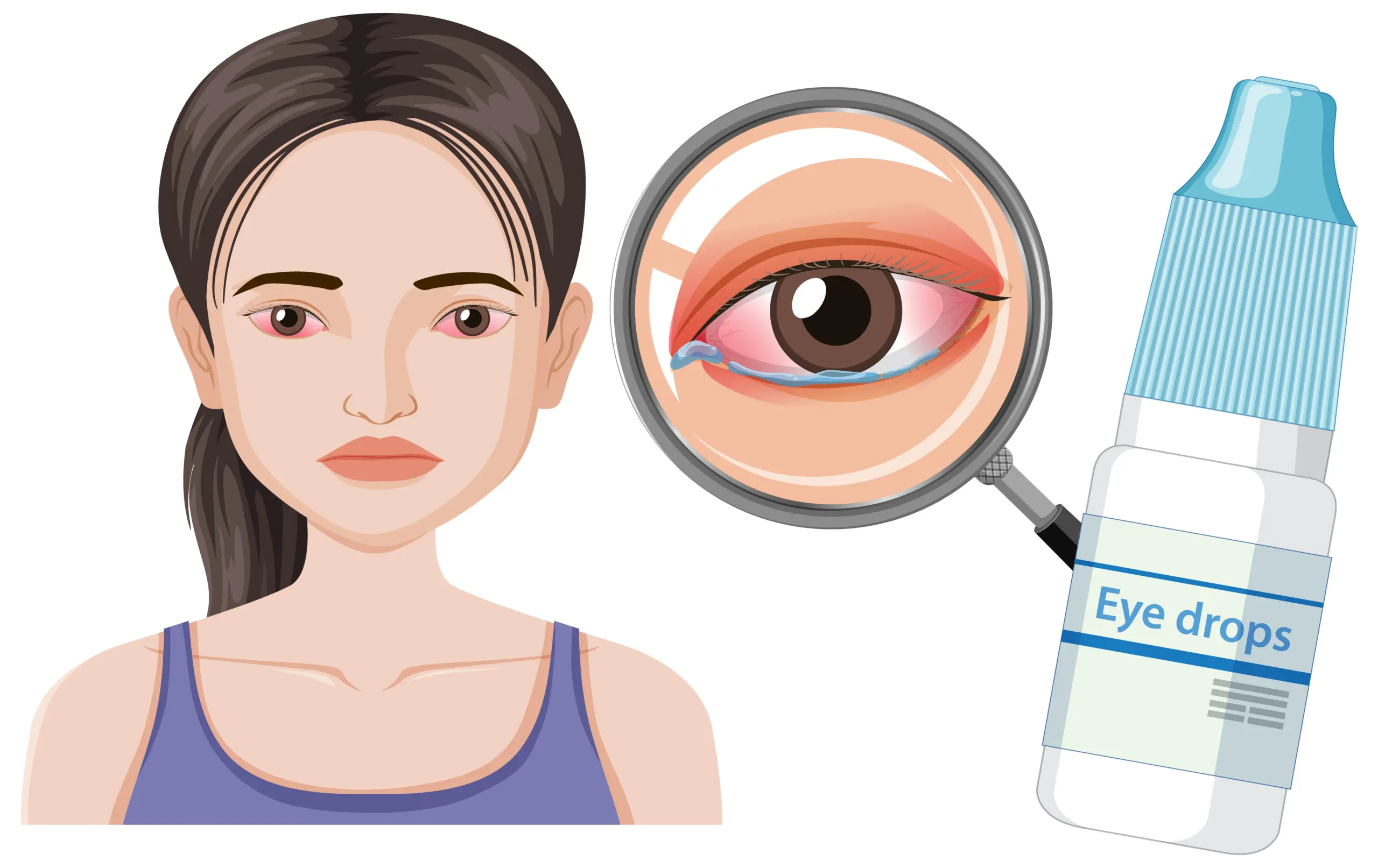
- Eye drops
- Vitamins
- Exercises
- Home remedies
Healthy habits may slow progression but cannot eliminate existing cataracts.
Helpful habits include:
- Wearing UV-protective sunglasses
- Quitting smoking
- Managing diabetes
- Eating antioxidant-rich foods
- Getting routine eye exams
When Is Cataract Surgery Needed?
Surgery is recommended when cataracts interfere with your daily activities.
Examples include:
- Difficulty driving
- Trouble reading
- Reduced work performance
- Difficulty recognizing faces
- Increased fall risk
Modern cataract surgery removes the cloudy lens and replaces it with an artificial intraocular lens (IOL), restoring clear vision for most patients.
Is It Safe to Wait?
Many patients can safely monitor cataracts for years.
However, waiting too long can:
- Make surgery more difficult
- Increase complication risk
- Reduce quality of life
- Affect independence
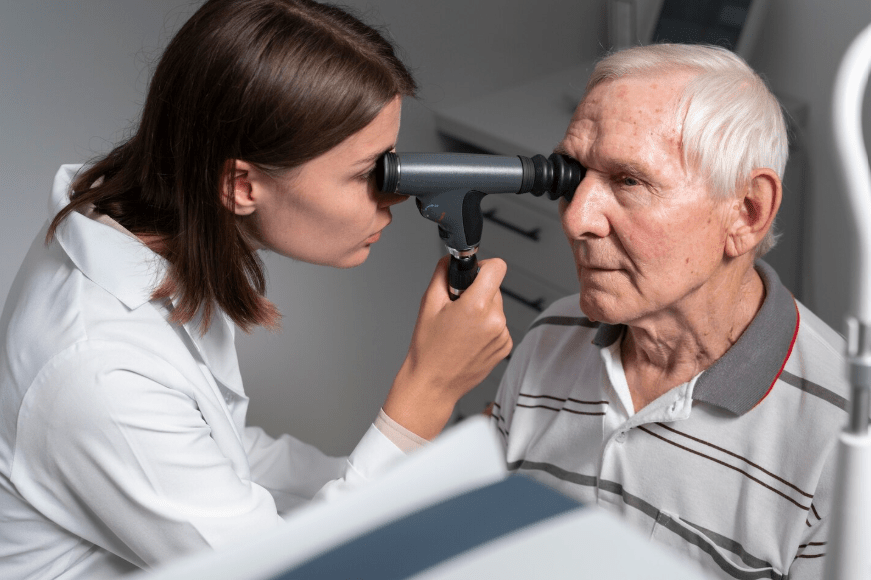
Your ophthalmologist will recommend the right time for surgery based on your vision and lifestyle—not simply the age of the cataract.
How Often Should You Have Eye Exams?
General recommendations:
| Age | Eye Exam Frequency |
|---|---|
| Under 40 | Every 2–4 years |
| 40–54 | Every 2–4 years |
| 55–64 | Every 1–3 years |
| 65+ | Every 1–2 years |
| Diabetes or eye disease | As recommended by your eye doctor |
Regular exams help detect cataracts before they become severe.
Tips to Slow Cataract Progression
Although cataracts cannot be prevented entirely, you can protect your eye health by:
- Wearing sunglasses with 100% UVA/UVB protection
- Eating leafy greens and colorful fruits
- Controlling blood sugar
- Quitting smoking
- Limiting excessive alcohol intake
- Maintaining a healthy weight
- Scheduling routine eye examinations
Frequently Asked Questions (FAQs)
1. How long does it take for cataracts to become serious?
Most age-related cataracts take 5–20 years to become severe, but some types progress much faster.
2. Can cataracts develop in just a few months?
Yes. Posterior subcapsular and traumatic cataracts may progress within months.
3. What is the fastest-growing type of cataract?
Posterior subcapsular cataracts often progress the fastest among age-related cataracts.
4. Can glasses stop cataracts from growing?
No. Glasses improve vision temporarily but do not slow cataract progression.
5. Is cataract surgery urgent?
Not usually. Surgery is typically elective and based on how much cataracts affect daily life, unless complications arise.
6. Can diabetes make cataracts grow faster?
Yes. Poorly controlled diabetes can accelerate cataract development.
7. Do cataracts always require surgery?
Eventually, if vision becomes significantly impaired. Surgery is the only definitive treatment.
8. Can eye drops dissolve cataracts?
No. There is currently no approved eye drop that can remove cataracts.
9. Are both eyes affected at the same time?
Often, both eyes develop cataracts, but one eye may progress faster than the other.
10. Can young adults get cataracts?
Yes. Although less common, cataracts can occur due to genetics, injury, diabetes, steroid use, or certain medical conditions.
11. What happens if cataracts are left untreated?
Vision may continue to decline, making everyday activities more difficult and, in advanced cases, increasing the risk of complications.
12. Can sunlight make cataracts worse?
Long-term exposure to ultraviolet (UV) rays is associated with an increased risk of cataract development and progression. Wearing UV-protective sunglasses can help reduce this risk.
Conclusion
The time it takes for a cataract to grow varies widely. Most age-related cataracts develop gradually over several years, while certain types can progress much more quickly. Regular eye examinations are the best way to monitor changes and determine when treatment is appropriate. If you’re experiencing persistent blurry vision, glare, or difficulty with everyday tasks, consult an eye care professional to discuss whether cataracts may be affecting your vision and if surgery is the right next step.