


Introduction
Dental crowns sound like a forever fix. But reality is a bit more grounded. If you’re wondering are crowns permanent, the honest answer is: not exactly. They are strong. They are long-lasting. But they are not lifetime guarantees.
Think of a crown like a helmet for your tooth. It protects what remains underneath. It restores shape, strength, and appearance. But like any tool, it wears down over time. Materials age. Habits matter. Care matters even more.
People often assume once a crown is placed, the job is done. That mindset causes problems later. Crowns still need attention. Your natural tooth underneath still lives and can still decay. Gum health still plays a role.
This guide breaks it all down. No fluff. No confusion. Just facts. If you’re planning a crown or already have one, this will help you stay ahead.
1. Are Crowns Permanent or Temporary?
Let’s clear this up right away. Crowns are not permanent. They are designed to last long. But they do not last forever.
Most crowns stay in place for 10 to 15 years. Some go beyond 20 years with excellent care. Others fail early due to neglect or poor habits. So permanence depends on behavior, not just material.
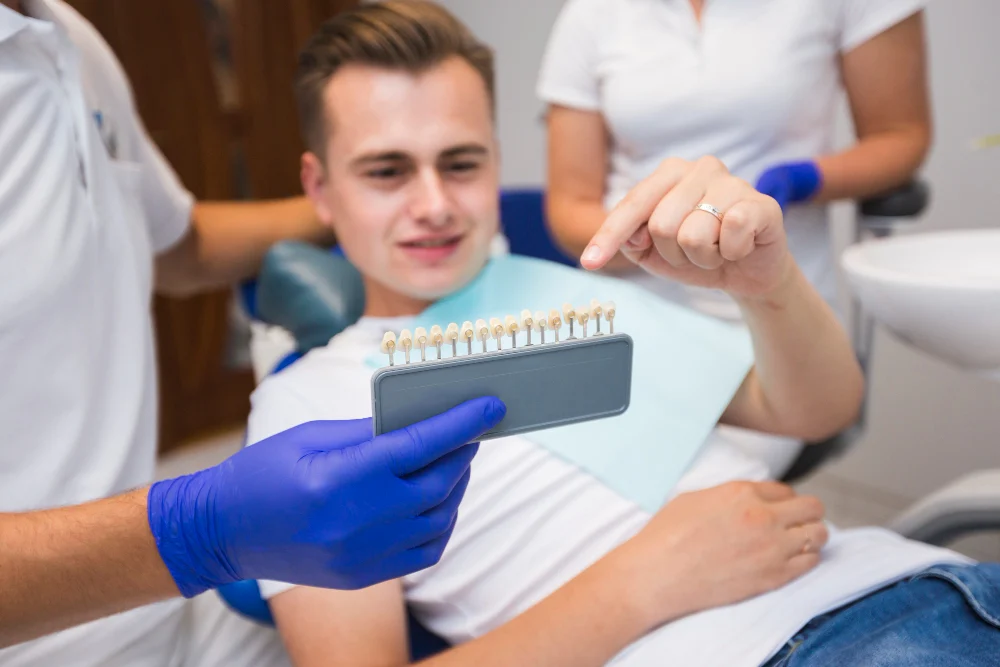
There are also temporary crowns. These are placed while your permanent one is being made. They are weaker and meant for short use. You cannot rely on them long-term.
Permanent crowns, on the other hand, are custom-made. They fit precisely. They are bonded securely. But even they face wear and tear.
So the better question is not “are crowns permanent.” It’s “how long can they last in your case?”
2. What Is a Dental Crown?
A dental crown is a cap placed over a damaged tooth. It restores function and appearance.
It covers the entire visible part of the tooth. That’s why it is often called a “full coverage restoration.”
Crowns are used for several reasons:
- To protect weak teeth
- To restore broken teeth
- To cover large fillings
- To support dental bridges
- To improve appearance
The crown sits on top of your natural tooth. The tooth underneath is reshaped to hold it.
So even though the crown looks artificial, it works with your real tooth structure.
3. Types of Dental Crowns
Not all crowns are the same. Material matters. A lot.
Here are the common types:
Porcelain crowns
They look natural. Best for front teeth. But slightly less durable.
Metal crowns
Very strong. Last long. But not visually appealing.
Porcelain fused to metal (PFM)
A mix of strength and aesthetics. Common choice.
Zirconia crowns
Very strong and tooth-colored. Increasingly popular.
Ceramic crowns
Good aesthetics. Often used for visible teeth.
Each material has pros and cons. The lifespan varies too. So when asking “are crowns permanent,” material plays a big role.
4. How Long Do Crowns Last?
Here’s the reality. Most crowns last between 10 and 15 years.
But that’s an average. Some last longer. Some fail early.
Factors that affect lifespan:
- Oral hygiene
- Diet habits
- Teeth grinding
- Placement quality
- Gum health
A crown on a molar faces more pressure. So it may wear faster. Front teeth crowns often last longer.
Also, if the tooth underneath decays, the crown fails. Even if the crown itself is fine.
So durability is not just about the crown. It’s about everything around it.
5. Why Crowns Are Not Permanent
Let’s be honest. Nothing in the mouth stays unchanged forever.
Crowns face constant stress. Chewing. Biting. Temperature changes.
Over time:
- The bonding cement weakens
- The material wears down
- The gum line shifts
- The underlying tooth may decay
Even the best crown cannot resist all of that forever.
Also, habits like chewing ice or opening packages with teeth speed up damage.
So crowns are durable. But not immune.
6. Signs Your Crown Needs Replacement
Crowns don’t fail suddenly. They give signs.
Watch for:
- Pain or sensitivity
- Loose feeling
- Cracks or chips
- Gum recession
- Dark line near gum
Bad breath or taste can also signal decay under the crown.
Ignoring these signs makes things worse. Early action saves the tooth.
So regular check-ups matter. Even if everything feels fine.
7. Can a Crown Last a Lifetime?
Yes, but rarely.
Some people keep crowns for decades. But they follow strict oral care. They avoid harmful habits.
Even then, natural aging plays a role. Gum changes. Bite changes.
So while it is possible, it’s not the norm.
Expect maintenance. Expect replacement at some point.
That mindset helps you plan better.
8. How to Make Crowns Last Longer
You can extend crown life. It’s not complicated.
Follow basics:
- Brush twice daily
- Floss carefully around the crown
- Use a soft toothbrush
- Avoid hard foods
- Wear a night guard if you grind
Regular dental visits are key. Small issues get fixed early.
Also, don’t ignore discomfort. Pain is a signal. Act on it.
Consistency beats everything.
9. Do Crowns Protect Against Decay?
No. This is a common myth.
Crowns protect the outer structure. But the tooth underneath can still decay.
Bacteria can enter at the margin. Especially if hygiene is poor.
So brushing and flossing are still essential.
Think of the crown as armor. But the base still needs care.
10. Are Crowns Better Than Fillings?
Depends on the situation.
Fillings are simpler. Less invasive. But less durable for large damage.
Crowns cover the whole tooth. They provide better strength.
If a tooth is heavily damaged, a crown is the better choice.
So it’s not about better or worse. It’s about the right solution.
11. What Happens If a Crown Falls Off?
Stay calm. It happens.
Do not try to fix it yourself.
Keep the crown safe. Visit your dentist as soon as possible.
If the tooth underneath is intact, the crown can often be reattached.
If not, a new crown may be needed.
Delay increases risk of damage.
12. Cost vs Longevity
Crowns are not cheap. But they are worth it.
Higher quality materials cost more. But they last longer.
Cheap options may fail early. That means more replacements. More cost over time.
So think long-term. Not short-term savings.
13. Do Crowns Feel Like Natural Teeth?
Mostly yes.
After adjustment, they feel normal. You chew, bite, and speak normally.
But some differences exist:
- Slight sensitivity at first
- Awareness of the crown initially
That fades over time.
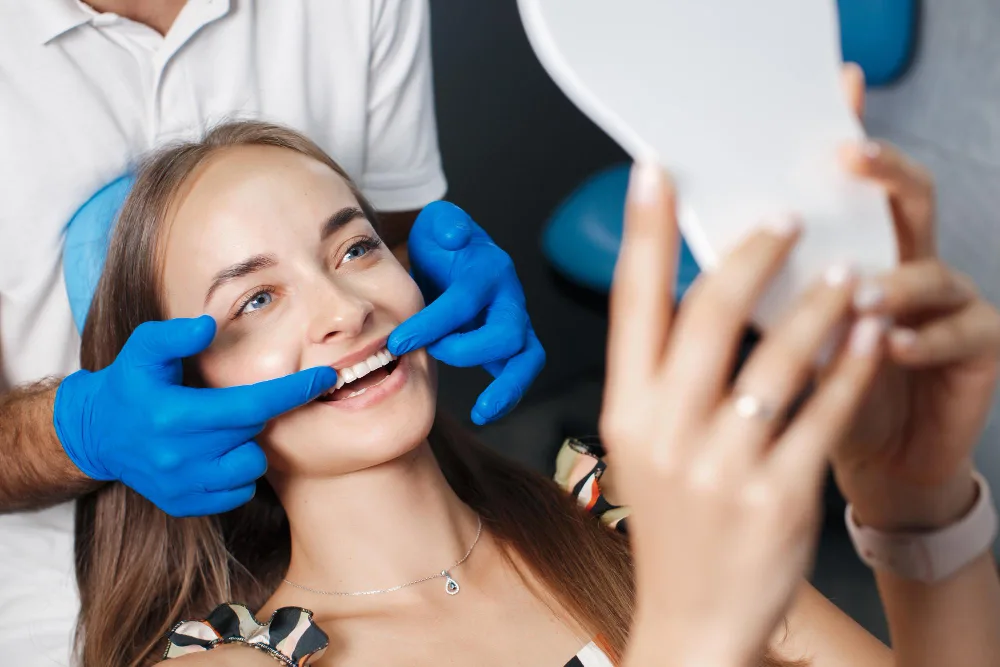
A well-made crown blends in.
14. Are Crowns Safe?
Yes. They are widely used and safe.
Materials are tested. Procedures are routine.
Risks are minimal. Mostly related to poor hygiene or improper fit.
So choosing a skilled dentist matters.
15. Final Verdict: Are Crowns Permanent?
No. But they are reliable.
They last long. They restore function. They protect teeth.
But they need care. They need monitoring.
So instead of asking “are crowns permanent,” focus on “how do I make mine last longer?”
That shift makes all the difference.
FAQs
1. Are crowns permanent solutions?
No. They are long-term but not lifetime fixes.
2. How often should crowns be replaced?
Usually every 10–15 years, depending on care.
3. Can crowns get cavities?
The crown cannot, but the tooth underneath can.
4. Do crowns break easily?
Not easily, but they can crack under pressure.
5. Is the crown procedure painful?
No. It is done under anesthesia.
6. Can I eat normally with a crown?
Yes, but avoid very hard foods.
7. What is the strongest crown material?
Zirconia is among the strongest.
8. Can a crown fall off?
Yes, especially if cement weakens.
9. Do crowns require special care?
No special tools, just good oral hygiene.
10. Are crowns worth it?
Yes, especially for damaged teeth.
A Thought to Leave You With
Your teeth carry your story. Every bite, every word, every smile. A crown is not just a fix. It’s a second chance.
Stay consistent. Stay aware. Small habits decide long-term outcomes.
If you’re exploring more ways to care for your dental health, platforms like cureaware can guide your next steps with clarity and perspective—no noise, just useful direction.