

Dental crowns are designed to restore strength and appearance to damaged teeth. They protect the tooth structure and help maintain normal chewing and speaking functions. However, even a crown can sometimes become chipped or damaged. Many people feel worried when they notice a chipped tooth crown because it may cause discomfort, sensitivity, or cosmetic concerns.
Understanding why a chipped crown happens and what steps to take can help reduce stress and prevent further damage. A chipped crown does not always mean the tooth is ruined. In many cases, the crown can be repaired or replaced with proper dental treatment. Knowing the symptoms, causes, and care tips helps maintain long-term dental health.
This guide explains everything about a chipped tooth crown. You will learn the reasons crowns chip, how dentists repair them, and how to prevent future problems. The information is simple and easy to follow so anyone can understand it clearly.
1. What Is a Tooth Crown?
A tooth crown is a dental restoration placed over a damaged or weakened tooth. It works like a protective cap. The crown covers the entire visible part of the tooth above the gum line. This helps restore the tooth’s shape, size, and strength.
Dentists often recommend crowns when a tooth is cracked, broken, severely decayed, or weakened after a root canal treatment. The crown protects the remaining structure of the tooth and helps it function normally again. Crowns are carefully designed to match the natural shape and color of surrounding teeth so they look natural.
A crown also improves chewing ability and protects the tooth from further damage. Once placed, it becomes a permanent part of the dental structure. Crowns can last many years with proper care. However, like natural teeth, they are not indestructible. Hard pressure, grinding, or accidents can cause a crown to chip.
Understanding how crowns work helps people recognize why damage sometimes happens. A chipped crown is usually repairable, especially when treated early. Regular dental checkups also help detect small issues before they become serious.
2. What Is a Chipped Tooth Crown?
A chipped tooth crown means a small piece of the crown material has broken off. This damage may appear as a rough edge, crack, or missing fragment on the crown’s surface. Some chips are small and barely noticeable, while others may affect the tooth’s appearance or function.
The chip may expose the inner layer of the crown or even the natural tooth underneath. When this happens, the tooth may become sensitive to hot, cold, or sweet foods. In some cases, chewing pressure may also cause discomfort.
A chipped crown can happen suddenly or gradually. Sometimes people notice it after biting something hard. In other situations, the crown weakens over time due to wear and stress. Minor chips may only affect appearance, but larger chips can affect chewing or cause irritation to the tongue or gums.
It is important to treat a chipped crown as soon as possible. Leaving it untreated may lead to further cracking or damage to the tooth below. Early dental care helps restore the crown quickly and prevents complications.
3. Common Causes of a Chipped Tooth Crown
There are several reasons why a crown can chip. One common cause is biting on hard foods. Ice, hard candy, nuts, or bones can put too much pressure on the crown and cause it to break. Even strong crowns can crack under extreme force.
Teeth grinding is another frequent cause. Many people grind their teeth during sleep without realizing it. This repeated pressure weakens the crown and may lead to chips over time. Stress and sleep disorders often contribute to grinding habits.
Accidents or trauma can also damage crowns. A fall, sports injury, or sudden blow to the mouth may cause a crown to crack or chip. Crowns may also weaken gradually if they are old or worn.
Poor bite alignment can create uneven pressure during chewing. When pressure is not evenly distributed, certain teeth experience more stress than others. This increases the risk of crown damage.
Understanding these causes helps people take preventive steps. Avoiding hard foods and protecting teeth during sports can significantly reduce the chances of a chipped crown.
4. Signs and Symptoms of a Chipped Crown
A chipped crown may show several noticeable symptoms. One common sign is a rough or sharp edge on the tooth surface. People often feel it with their tongue when they run it across the tooth.
Another symptom is tooth sensitivity. When the inner layer of the crown becomes exposed, the tooth may react to hot or cold foods. Sweet foods can also cause discomfort in some cases.
Pain during chewing is another possible sign. A damaged crown may not distribute pressure evenly. This can create discomfort when biting down on food. The tooth underneath may also become irritated.
Sometimes the damage is visible. A piece of the crown may appear broken or missing. The color of the crown may also look different in the chipped area.
Gum irritation can also occur if the chip creates a sharp edge. The rough surface may rub against the tongue or inner cheeks, causing small cuts or discomfort.
Recognizing these symptoms early allows faster treatment. Quick action helps prevent further damage and protects the natural tooth.
5. Is a Chipped Crown a Dental Emergency?
A chipped crown is not always an emergency. However, it should still be checked by a dentist as soon as possible. Small chips that do not cause pain may only require minor repair.
Large chips that expose the tooth underneath can be more serious. The exposed tooth may be vulnerable to decay, infection, or further damage. Pain or swelling is a sign that immediate dental care is needed.
If the crown becomes loose or completely breaks, it should be treated quickly. The tooth underneath may become sensitive or vulnerable without protection.
Temporary steps can help reduce discomfort before visiting a dentist. Avoid chewing on the affected side of the mouth. Soft foods are easier to manage until treatment is done.
Although a chipped crown may not always be urgent, delaying treatment increases the risk of complications. Early dental care ensures the problem remains simple and manageable.
6. What to Do Immediately After a Crown Chips
The first step after noticing a chipped crown is to remain calm. Many chipped crowns can be repaired easily. Start by checking the tooth in a mirror to see the size of the damage.
If a piece of the crown has fallen out, keep it safe if possible. A dentist may sometimes use the fragment during repair. Rinse your mouth with warm water to remove any debris.
Avoid chewing on the affected tooth. Hard or sticky foods may worsen the damage. Soft foods are safer until the crown is treated.
If the chipped area feels sharp, dental wax can be used temporarily. This protects the tongue and gums from irritation. Over-the-counter pain relief may help if there is mild discomfort.
Schedule a dental appointment as soon as possible. Even small chips should be examined. Early treatment prevents further cracking and protects the natural tooth underneath.
7. How Dentists Diagnose Crown Damage
Dentists use several methods to examine a chipped crown. The first step is a visual inspection. The dentist carefully checks the crown’s surface to determine the size and location of the chip.
Dental instruments help detect rough edges or cracks. The dentist may also ask about symptoms such as sensitivity or pain during chewing. This information helps identify whether the tooth underneath is affected.
Dental X-rays may also be taken. These images allow the dentist to check the health of the tooth root and surrounding bone. X-rays help ensure there are no hidden fractures beneath the crown.
The dentist also evaluates the bite. Bite alignment can reveal whether uneven pressure contributed to the damage. This helps prevent the same issue from happening again.
After the examination, the dentist recommends the best treatment option. This may include polishing the crown, repairing the chip, or replacing the crown entirely.
8. Repair Options for a Chipped Crown
Treatment for a chipped crown depends on the size of the damage. Small chips often require simple smoothing or polishing. This removes sharp edges and restores comfort.
If the chip is slightly larger, dental bonding may be used. A tooth-colored material is applied to repair the missing part of the crown. The material is shaped and hardened to restore the original structure.
When the chip is large or the crown is severely cracked, replacement may be necessary. The dentist removes the damaged crown and prepares the tooth for a new one.
Sometimes the crown remains strong but the outer surface is chipped. In such cases, repair may restore the crown without removing it completely.
Dentists choose the treatment based on the crown’s condition and the health of the underlying tooth. Proper repair helps maintain long-term dental function and appearance.
9. Can a Crown Be Replaced Instead of Repaired?
In some cases, replacing the crown is the best solution. If the crown has multiple cracks or structural weakness, repair may not provide long-lasting results. Replacement ensures better protection for the tooth.
The dentist first removes the damaged crown carefully. The tooth underneath is then cleaned and reshaped if necessary. A new impression is taken to create a replacement crown that fits perfectly.
Temporary crowns may be placed while the permanent crown is being prepared. This protects the tooth and allows normal function during the waiting period.
Once the new crown is ready, it is securely attached to the tooth. The dentist checks the bite and ensures the crown fits comfortably.
Replacement provides a fresh and durable restoration. With proper care, a new crown can last many years without problems.
10. How Long Do Dental Crowns Usually Last?
Dental crowns are designed to last for many years. With good oral hygiene and regular dental care, crowns can last ten to fifteen years or even longer.
Several factors affect crown lifespan. Daily chewing pressure gradually wears down materials over time. Teeth grinding and biting hard foods can shorten the life of a crown.
Oral hygiene also plays an important role. Plaque buildup around the crown can cause decay in the natural tooth underneath. This may weaken the support for the crown.
Regular dental visits help detect early signs of wear or damage. Dentists can monitor the crown and recommend maintenance when needed.
Although crowns are durable, they are not permanent. Understanding their lifespan helps people care for them properly and avoid unnecessary damage.
11. Foods That Can Damage a Crown
Certain foods increase the risk of a chipped crown. Hard foods are one of the main causes of crown damage. Ice, hard candy, and tough nuts can create strong pressure on dental restorations.
Sticky foods can also cause problems. Caramel and chewing gum may pull on the crown and weaken its attachment. This can make the crown loose over time.
Very crunchy foods such as popcorn kernels may crack the crown when bitten directly. It is safer to chew these foods carefully or avoid them altogether.
Acidic foods may weaken dental materials gradually. While they may not cause immediate damage, repeated exposure may reduce crown durability.
Maintaining a balanced diet with softer foods helps protect dental restorations. Awareness of risky foods helps prevent unexpected crown damage.
12. Daily Care Tips for Protecting Crowns
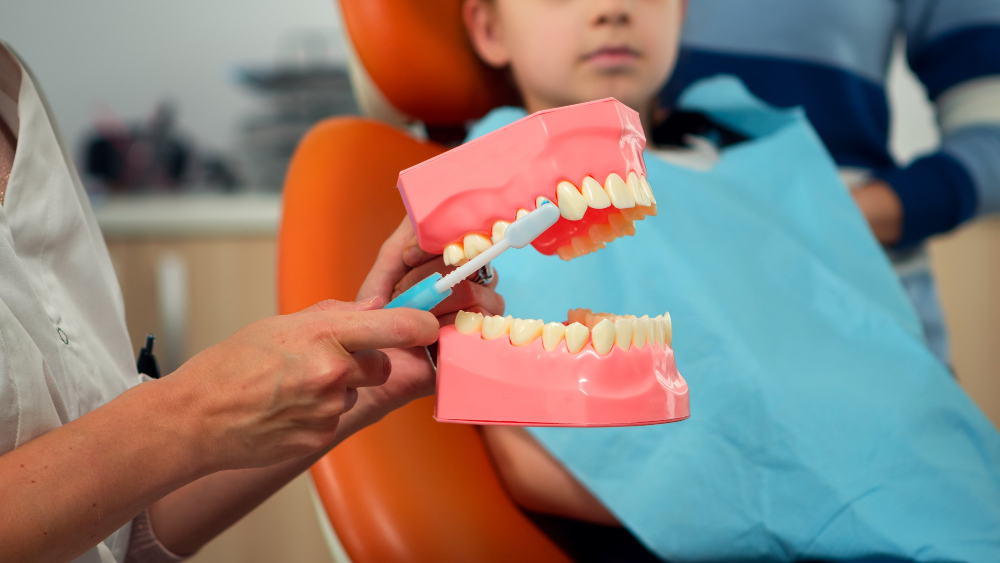
Proper oral care is essential for maintaining crowns. Brushing twice daily removes plaque and food particles that can cause decay around the crown. A soft toothbrush helps clean without damaging the surface.
Flossing is equally important. It removes plaque between teeth and around the crown edges. This prevents gum disease and protects the natural tooth beneath the crown.
Mouthwash may also support oral hygiene. Antibacterial rinses help reduce harmful bacteria in the mouth.
Avoiding habits such as nail biting or chewing pens helps protect crowns from unnecessary pressure. Wearing a mouthguard during sports also reduces injury risk.
Consistent oral hygiene practices significantly increase the lifespan of crowns and reduce the chances of chips or cracks.
13. How Teeth Grinding Affects Crowns
Teeth grinding is a major cause of crown damage. This condition, also known as bruxism, creates intense pressure between upper and lower teeth.
Grinding often happens during sleep. Many people do not realize they grind their teeth until symptoms appear. These symptoms may include jaw pain, headaches, or worn tooth surfaces.
Repeated grinding weakens both natural teeth and dental crowns. Over time, the pressure may cause small cracks or chips in the crown material.
Dentists often recommend a night guard for people who grind their teeth. A custom mouthguard protects the teeth and crowns by absorbing pressure during sleep.
Managing stress and improving sleep habits may also help reduce grinding. Preventing bruxism protects dental restorations and supports long-term oral health.
14. When to See a Dentist
A dentist should be consulted whenever a crown feels unusual. Even minor changes such as rough edges or mild sensitivity may indicate damage.
Pain when chewing or increased tooth sensitivity should not be ignored. These symptoms may mean the crown or underlying tooth requires attention.
Visible cracks or missing pieces also require prompt examination. Early treatment prevents more serious dental problems.
Regular dental checkups help detect crown damage early. Dentists can examine crowns during routine visits and recommend repairs before problems worsen.
Seeking professional advice ensures the tooth remains protected and healthy.
15. Preventing Future Crown Damage
Preventing crown damage is easier than repairing it. Simple lifestyle habits help protect dental restorations for many years.
Avoid biting hard objects such as ice, pens, or bottle caps. These habits place unnecessary stress on crowns and natural teeth.
Wearing protective mouthguards during sports reduces injury risk. This is especially important for activities involving physical contact.
Managing teeth grinding also protects crowns. Night guards provide an effective solution for people with bruxism.
Regular dental visits ensure crowns remain in good condition. Dentists can identify early signs of wear and recommend preventive care.
By following these steps, individuals can maintain strong crowns and healthy teeth for the long term.
Protect Your Smile with Cureaware
A chipped crown should never be ignored. Early care helps protect your tooth and prevents more serious dental problems. If you notice a rough edge, sensitivity, or visible damage, professional evaluation is important.
Cureaware focuses on providing reliable guidance for better dental care and overall oral health awareness. Understanding dental problems and seeking timely treatment can make a significant difference in maintaining a healthy smile.
Take the first step toward better oral health today. Learn more about dental care solutions and stay informed with trusted resources from Cureaware.
Frequently Asked Questions
1. What causes a chipped tooth crown?
A chipped crown is usually caused by biting hard foods, teeth grinding, accidents, or natural wear over time. Excess pressure on the crown can weaken its structure and lead to cracks or chips.
2. Is a chipped crown dangerous?
A chipped crown is not always dangerous, but it should be checked by a dentist. If the tooth underneath becomes exposed, it may lead to sensitivity, infection, or further damage.
3. Can a chipped crown be repaired?
Yes, small chips can often be repaired with polishing or bonding materials. Larger chips may require crown replacement depending on the severity of the damage.
4. How long does it take to fix a chipped crown?
Minor repairs can often be completed in a single dental visit. If the crown needs replacement, the process may take a few appointments.
5. Does a chipped crown cause pain?
Some chipped crowns cause no pain. However, if the inner layer or natural tooth becomes exposed, sensitivity and discomfort may occur.
6. Should I avoid eating with a chipped crown?
Yes, it is best to avoid chewing on the affected side until a dentist examines the crown. Soft foods are recommended to prevent further damage.
7. Can a crown chip while sleeping?
Yes, teeth grinding during sleep can cause pressure that leads to crown damage. Wearing a night guard may help prevent this issue.
8. How can I prevent crown damage?
Avoid biting hard objects, maintain good oral hygiene, and attend regular dental checkups. Wearing protective mouthguards during sports can also help.
9. Do crowns need special care?
Crowns require the same care as natural teeth. Brushing, flossing, and regular dental visits help maintain their strength and longevity.
10. When should I replace a crown?
A crown may need replacement if it becomes severely cracked, loose, or worn. Dentists evaluate the crown’s condition and recommend replacement when necessary.