



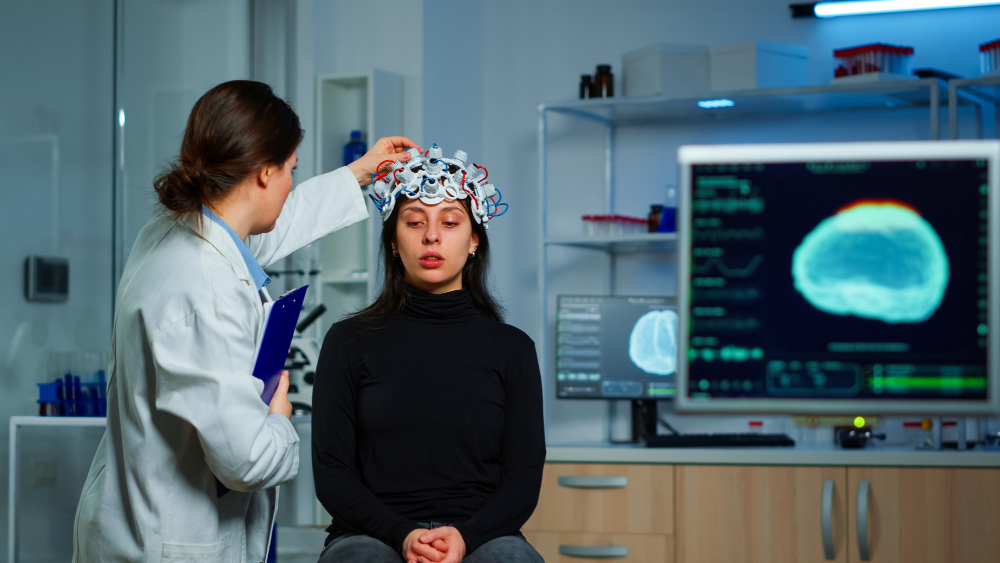
Brain tumors are serious health conditions that occur when abnormal cells grow inside the brain. While the idea of a brain tumor can be frightening, understanding its symptoms and early warning signs can help people seek medical care at the right time.
Many individuals search online for how to detect brain tumor at home because they want to recognize early signs before visiting a doctor. Although a brain tumor cannot be medically diagnosed at home, observing certain symptoms and changes in your body may help you identify potential warning signals.
This detailed guide explains possible symptoms, self-monitoring techniques, risk factors, and when to seek medical help, helping you better understand brain health and the importance of early medical evaluation.
What Is a Brain Tumor?
A brain tumor is an abnormal mass or growth of cells within the brain or surrounding tissues. Normally, cells grow and divide in a controlled way, but when this process becomes abnormal, tumors may develop.
Brain tumors are generally classified into two main types:
Benign Brain Tumors
Benign tumors are non-cancerous and usually grow slowly. They do not spread to other parts of the body, but they can still cause serious health issues because the brain is a delicate and limited space.
Malignant Brain Tumors
Malignant tumors are cancerous and tend to grow more aggressively. These tumors may spread or damage the surrounding brain tissues.
Brain tumors can also be categorized based on where they originate:
- Primary brain tumors: Begin in the brain itself
- Secondary (metastatic) brain tumors: Spread to the brain from other parts of the body such as lungs, breast, or skin
Because tumors affect different parts of the brain, the symptoms people experience can vary widely. This is why many people try to understand how to detect brain tumor at home by recognizing changes in their daily health.
Why Early Detection Is Important
The brain controls essential functions such as movement, speech, memory, vision, and behavior. Even a small tumor can disrupt these functions depending on its location.
Early recognition of symptoms can help with:
- Faster medical diagnosis
- More treatment options
- Reduced complications
- Better chances of recovery
Although symptoms alone cannot confirm a tumor, noticing unusual changes in your body may prompt early consultation with a healthcare professional.
Common Early Signs of Brain Tumor You May Notice at Home
The symptoms of brain tumors depend on the tumor’s size, type, and location. However, some warning signs commonly appear in everyday life.
Persistent or Severe Headaches
Headaches are among the most frequently reported symptoms associated with brain tumors. However, not all headaches indicate a tumor.
Possible warning signs include:
- Headaches that occur more frequently than usual
- Pain that is worse in the morning
- Headaches that wake you from sleep
- Increasing headache intensity over time
- Headaches that worsen when coughing or bending
Brain tumor headaches often feel different from typical tension or migraine headaches and may gradually become more severe.
Unexplained Nausea and Vomiting
Some individuals experience nausea or vomiting that is unrelated to stomach illness or food poisoning.
This may occur because a growing tumor increases pressure within the skull.
Signs to observe include:
- Frequent morning nausea
- Vomiting without clear cause
- Nausea combined with persistent headaches
If these symptoms continue for several days or weeks, medical evaluation is recommended.
Vision Changes
Vision problems may occur when tumors affect areas of the brain responsible for processing visual information.
Common vision symptoms include:
- Blurred or double vision
- Difficulty focusing
- Loss of peripheral vision
- Seeing flashing lights or unusual shapes
Vision changes that appear suddenly or worsen over time should never be ignored.
Balance and Coordination Problems
The brain’s cerebellum controls coordination and balance. A tumor affecting this area may cause physical difficulties.
Possible signs include:
- Trouble walking steadily
- Frequent stumbling or falling
- Difficulty performing precise movements
- Loss of balance during routine activities
People may first notice these problems during daily tasks such as walking, writing, or holding objects.
Seizures
Seizures are one of the most serious symptoms associated with brain tumors. They occur when abnormal electrical activity happens in the brain.
Symptoms of seizures may include:
- Sudden shaking of arms or legs
- Temporary loss of consciousness
- Muscle stiffness
- Confusion after the episode
A seizure occurring for the first time should always be treated as a medical emergency.
Memory and Cognitive Changes
Brain tumors affecting the frontal or temporal lobes may cause cognitive and behavioral changes.
Possible symptoms include:
- Difficulty remembering recent events
- Trouble concentrating
- Slower thinking or confusion
- Difficulty performing familiar tasks
These changes can affect work performance, daily routines, or social interactions.
Personality or Mood Changes
Some tumors affect emotional control centers of the brain.
Individuals may experience:
- Sudden mood swings
- Increased irritability
- Depression or anxiety
- Changes in behavior or personality
Family members often notice these changes before the affected person realizes them.
Self-Observation Tips to Monitor Symptoms at Home
Although a brain tumor cannot be confirmed at home, certain self-monitoring techniques may help identify unusual health patterns.
Keep a Symptom Journal
Recording symptoms can help track changes over time.
Include details such as:
- Frequency of headaches
- Duration of symptoms
- Associated symptoms like nausea or dizziness
- Activities that worsen or improve symptoms
This information can help doctors evaluate potential neurological issues.
Monitor Vision Regularly
Simple checks at home can help identify vision problems.
Try noticing:
- Difficulty reading small text
- Blurred vision while watching television
- Trouble focusing on objects
If these problems persist, an eye or neurological examination may be necessary.
Observe Cognitive Function
Mental clarity can be monitored through daily tasks.
Ask yourself questions such as:
- Am I forgetting important details frequently?
- Do I struggle to concentrate on tasks?
- Are simple decisions becoming difficult?
Sudden or worsening cognitive changes should be discussed with a healthcare professional.
Test Balance and Coordination
Basic coordination checks can reveal potential issues.
Examples include:
- Walking in a straight line
- Standing on one foot for a few seconds
- Writing or typing normally
Difficulty performing these tasks consistently may indicate neurological concerns.
Risk Factors That May Increase Brain Tumor Chances
Although brain tumors can develop without a clear cause, some factors may increase risk.
Radiation Exposure
Exposure to high levels of radiation, particularly during childhood, is one of the most well-known risk factors.
Family History
Certain genetic conditions and inherited syndromes may increase the likelihood of developing brain tumors.
Age
Some brain tumors occur more frequently in children, while others are more common in older adults.
Weakened Immune System
Individuals with weakened immune systems may have a higher risk of certain types of brain tumors.
Medical Tests Used to Diagnose Brain Tumors
If symptoms suggest a possible brain tumor, doctors may perform several tests to confirm the diagnosis.
Common diagnostic methods include:
MRI Scan
Magnetic Resonance Imaging provides detailed images of the brain and is one of the most reliable tools for detecting tumors.
CT Scan
A CT scan uses X-rays to produce cross-section images of the brain.
Neurological Examination
Doctors evaluate vision, coordination, reflexes, and cognitive functions to detect abnormalities.
Biopsy
In some cases, a small sample of tumor tissue is removed for laboratory analysis.
When Should You See a Doctor?
It is important to seek medical attention if symptoms persist or worsen.
Consult a healthcare professional if you experience:
- Severe or persistent headaches
- Frequent unexplained vomiting
- Sudden vision problems
- Seizures
- Memory loss or confusion
- Difficulty with balance or coordination
Early medical evaluation can significantly improve treatment outcomes.
Lifestyle Tips for Maintaining Brain Health
While brain tumors cannot always be prevented, maintaining overall health may support brain function.
Helpful habits include:
- Eating a balanced and nutritious diet
- Getting regular exercise
- Sleeping 7–8 hours daily
- Managing stress effectively
- Limiting exposure to harmful chemicals
- Attending routine health checkups
These practices contribute to overall neurological health and well-being.
Conclusion
Many people search online for how to detect brain tumor at home, but it is important to remember that a confirmed diagnosis requires professional medical testing.
However, recognizing early warning signs such as persistent headaches, vision problems, seizures, nausea, coordination difficulties, or cognitive changes may help individuals seek medical care sooner.
Monitoring symptoms, maintaining a healthy lifestyle, and consulting a healthcare professional when symptoms persist are essential steps for protecting brain health.
If you notice unusual or worsening neurological symptoms, seeking medical advice promptly can make a significant difference in diagnosis and treatment.
Frequently Asked Questions (FAQs)
1. Can a brain tumor be detected without medical tests?
A brain tumor cannot be definitively detected without medical imaging such as MRI or CT scans. However, observing persistent symptoms like headaches, vision changes, or seizures may encourage early medical evaluation.
2. What are the earliest symptoms of a brain tumor?
Early symptoms may include frequent headaches, nausea, blurred vision, difficulty concentrating, balance problems, and seizures. Symptoms vary depending on the tumor’s size and location.
3. How do brain tumor headaches feel different from normal headaches?
Brain tumor headaches often worsen in the morning, increase gradually over time, and may become more severe when coughing, bending, or performing physical activity.
4. Are brain tumors common?
Brain tumors are relatively rare compared to other medical conditions. However, early detection is important because tumors can affect vital brain functions.
5. What should I do if I suspect brain tumor symptoms?
If you experience persistent headaches, seizures, vision changes, or neurological symptoms, consult a doctor immediately. Medical evaluation and imaging tests are necessary to determine the cause.