

Introduction
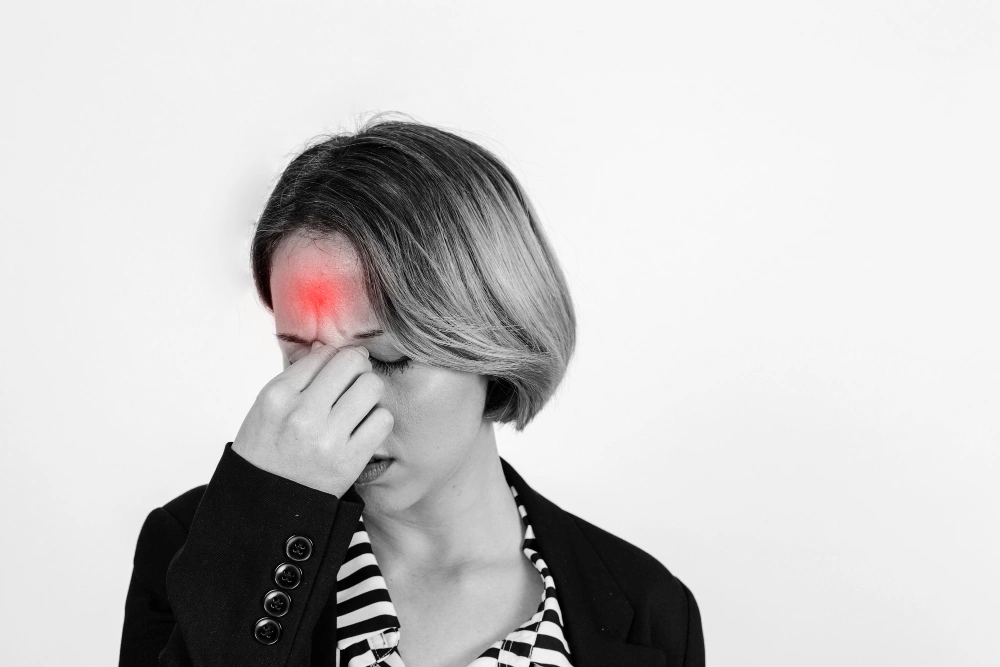
Headaches are one of the most common health issues people face today. Almost everyone experiences them at some point, whether due to stress, dehydration, or lack of sleep. While some headaches are mild and go away on their own, others can disrupt your daily routine and affect your productivity.
Understanding how to get rid of a headache effectively is important because the solution depends on the cause. Instead of immediately reaching for medication, there are several natural and practical ways to manage headaches. This guide covers everything you need to know—from causes and types to remedies and prevention—so you can find relief quickly and safely.
What is a Headache?
A headache is a pain or discomfort in the head, scalp, or neck region. It can range from a dull ache to sharp, throbbing pain. Some headaches last for a few minutes, while others may persist for hours or even days.
There are different types of headaches, and each type has its own cause and treatment. Some headaches are harmless, while others may signal an underlying health issue. Recognizing the type of headache you are experiencing is the first step in finding the right solution.
Common Causes of Headaches
Understanding the cause is key when learning how to get rid of a headache. One of the most common causes is stress. Mental pressure can tighten muscles in your head and neck, leading to pain.
Dehydration is another major factor. When your body lacks enough fluids, it can trigger headaches. Poor sleep, skipping meals, and excessive screen time can also contribute. In some cases, headaches may result from caffeine withdrawal or certain foods.
Environmental factors such as bright lights, loud noises, or strong smells can also trigger headaches. Identifying your triggers helps in both treatment and prevention.
Types of Headaches
There are several types of headaches, but the most common ones include tension headaches, migraines, and cluster headaches. Tension headaches feel like a tight band around your head and are often caused by stress.
Migraines are more intense and may come with nausea, sensitivity to light, and throbbing pain on one side of the head. Cluster headaches are less common but extremely painful and occur in cycles.
Sinus headaches are another type, usually linked to sinus infections and accompanied by pressure around the eyes and cheeks. Knowing the type helps you choose the right remedy.
How to Get Rid of a Headache Quickly
If you’re wondering how to get rid of a headache fast, there are simple steps you can try immediately. Start by resting in a quiet, dark room. This is especially helpful for migraines and tension headaches.
Drinking water can provide quick relief if dehydration is the cause. Applying a cold or warm compress to your head or neck can also reduce pain. Gentle massage of the temples or neck can improve blood flow and ease discomfort.
Taking a short nap or practicing deep breathing can relax your body and reduce headache intensity. These methods are simple but often very effective.
Home Remedies for Headache Relief
Natural remedies are a safe and effective way to deal with headaches. One of the easiest methods is staying hydrated. Drinking enough water throughout the day can prevent and relieve headaches.
Herbal teas like ginger or peppermint tea are known to help reduce headache pain. Ginger, in particular, has anti-inflammatory properties that can ease migraines.
Essential oils such as lavender or peppermint oil can be applied to the temples for relief. These oils have calming effects that help reduce tension and stress.
Using these remedies regularly can significantly reduce the frequency of headaches.
Best Foods to Reduce Headaches
Your diet plays an important role in managing headaches. Eating regular meals helps maintain stable blood sugar levels, which can prevent headaches.
Foods rich in magnesium, such as nuts, seeds, and leafy greens, are beneficial. Magnesium helps relax blood vessels and reduce headache frequency.
Staying away from processed foods, excessive caffeine, and sugary snacks can also help. Some people may have food triggers like chocolate or cheese, so it’s important to observe how your body reacts.
A balanced diet not only helps in headache relief but also improves overall health.
When to Use Medication
While natural remedies are helpful, sometimes medication is necessary. Over-the-counter pain relievers can provide quick relief for mild to moderate headaches.
However, frequent use of medication can lead to rebound headaches. This means your headache may return once the effect of the medicine wears off.
It’s important to use medication only when needed and follow the recommended dosage. If headaches occur frequently, it’s better to consult a doctor instead of relying on painkillers regularly.
Lifestyle Changes to Prevent Headaches
Prevention is always better than cure. Making small lifestyle changes can significantly reduce the chances of getting headaches.
Getting enough sleep is essential. Aim for 7–8 hours of quality sleep every night. Regular exercise also helps by improving blood circulation and reducing stress.
Managing stress through activities like yoga, meditation, or hobbies can prevent tension headaches. Limiting screen time and taking breaks during work can also reduce eye strain and headaches.
Consistency in these habits can make a big difference.
Role of Hydration in Headache Relief
Dehydration is one of the most overlooked causes of headaches. When your body loses fluids, it can affect brain function and lead to pain.
Drinking enough water throughout the day keeps your body hydrated and prevents headaches. If you already have a headache, drinking water can sometimes provide immediate relief.
Electrolyte-rich drinks can also help in cases of severe dehydration. Make it a habit to drink water regularly instead of waiting until you feel thirsty.
When to See a Doctor
Not all headaches are harmless. If you experience frequent or severe headaches, it’s important to seek medical advice.
Warning signs include sudden intense pain, headaches after a head injury, or headaches accompanied by vision problems, confusion, or fever.
Chronic headaches that interfere with your daily life should not be ignored. A doctor can diagnose the underlying cause and recommend proper treatment.
Conclusion
Learning how to get rid of a headache involves understanding its cause, type, and the right treatment. While occasional headaches are common, they should not be ignored if they become frequent.
Simple remedies like hydration, rest, and stress management can provide quick relief. Natural treatments and lifestyle changes can help prevent headaches in the long run.
By taking care of your body and identifying your triggers, you can manage headaches effectively and improve your overall well-being.
FAQs
1. What is the fastest way to get rid of a headache?
The fastest way includes resting in a quiet room, drinking water, applying a cold compress, and gently massaging your temples. These methods can provide quick relief, especially for tension headaches.
2. Can dehydration cause headaches?
Yes, dehydration is a common cause of headaches. When your body lacks fluids, it can lead to reduced blood flow to the brain, causing pain and discomfort.
3. Are headaches a sign of a serious problem?
Most headaches are harmless, but severe or frequent headaches may indicate an underlying condition. It’s important to consult a doctor if symptoms worsen or persist.
4. Which foods help in reducing headaches?
Foods rich in magnesium, such as spinach, almonds, and bananas, can help reduce headaches. Staying hydrated and eating regular meals also plays a key role.
5. How can I prevent headaches naturally?
You can prevent headaches by staying hydrated, getting enough sleep, managing stress, eating a balanced diet, and limiting screen time.
6. Is it safe to take painkillers for headaches daily?
No, frequent use of painkillers can lead to rebound headaches. It’s best to use them only when necessary and consult a doctor if headaches are regular.