


Introduction
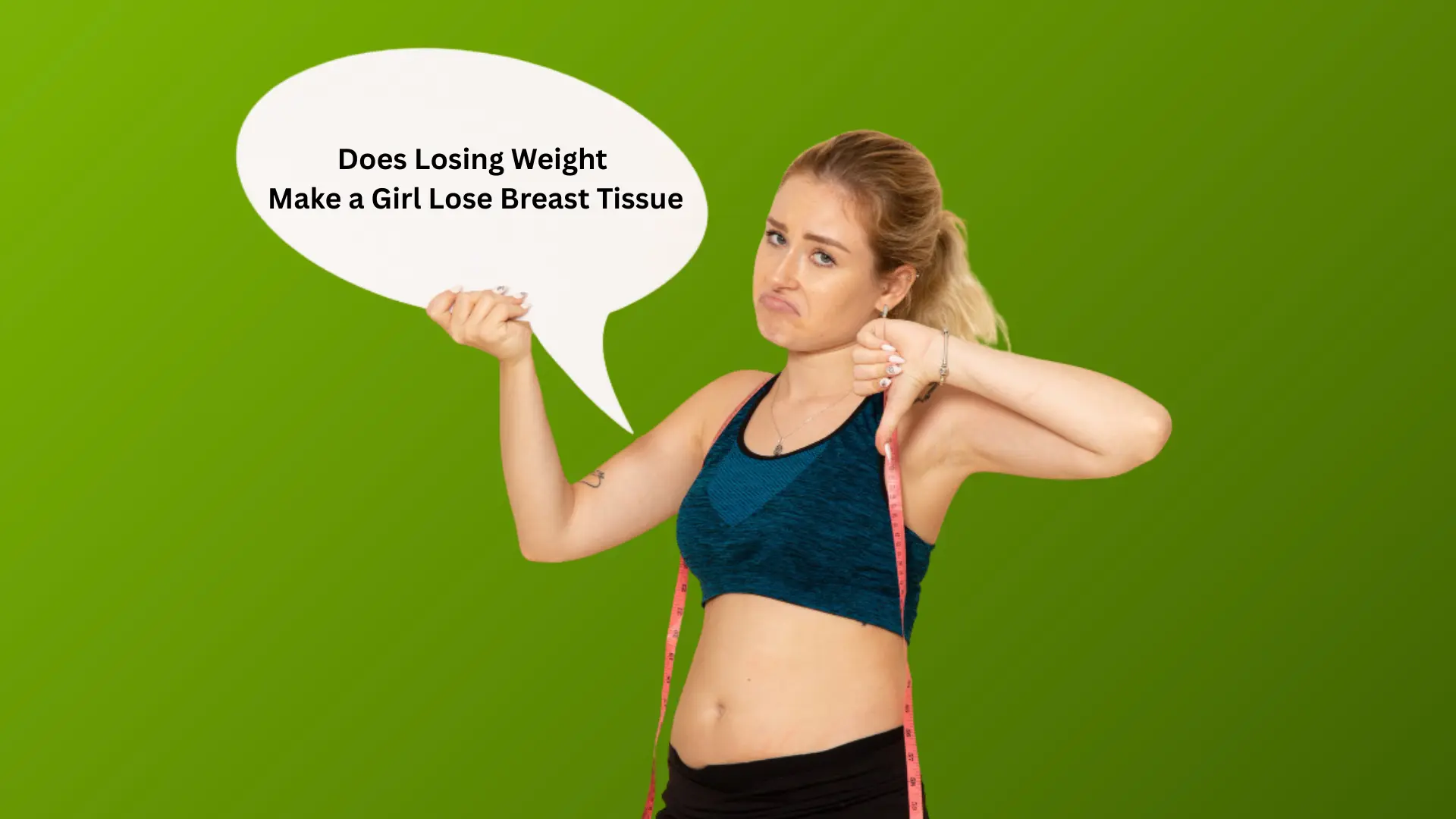
Many women notice body changes when they start losing weight. One common question is: does losing weight make a girl lose breast tissue? Breasts are an important part of the female body. They are made of fat, glandular tissue, and connective tissue. Because fat is a major component, weight changes can influence breast size. When a woman loses body fat, the breasts may also become smaller. However, the amount of change varies from person to person.
Some women see a noticeable difference, while others experience very little change. Factors such as genetics, age, hormones, and body composition play an important role. In some cases, women lose weight but their breast size remains almost the same because their breasts contain more glandular tissue than fat. Understanding how breast tissue works can help women manage expectations during their weight loss journey. This article explains how weight loss affects breast size, the science behind breast fat, and ways to maintain breast firmness while losing weight in a healthy way.
Understanding Breast Anatomy
To understand whether weight loss affects breasts, it is important to first understand breast anatomy. Breasts are made up of three main components: fat tissue, glandular tissue, and connective tissue. Fat tissue gives breasts their softness and shape. Glandular tissue is responsible for milk production in women who breastfeed. Connective tissue supports the breast structure and keeps everything in place. The proportion of these tissues varies among women.
Some women have breasts that contain more fat. Others have breasts with more glandular tissue. This difference explains why breast size changes after weight loss for some women but not for others. When a woman loses weight, the body burns fat for energy. If the breasts contain a large amount of fat tissue, they may become smaller as body fat decreases. However, glandular tissue does not shrink with weight loss.
This means women with denser breast tissue may not experience significant size reduction. Genetics also influences breast composition. Understanding this balance between fat and tissue helps explain why every woman’s body responds differently during weight loss.
Why Breasts Change Size During Weight Loss
Breasts can change in size during weight loss because fat is stored throughout the body. The body does not choose where fat loss happens first. Instead, fat reduction occurs gradually across different areas. Since breasts contain fat, they can become smaller as body fat decreases.
This is why many women ask, do breasts get smaller when you lose weight? The answer is often yes, but the extent varies widely. Some women may lose noticeable breast volume, while others see only slight changes. Hormonal balance also affects breast size. Hormones such as estrogen influence how fat is stored in the body.
Changes in hormone levels during dieting or exercise may also contribute to breast size changes. In addition, rapid weight loss can lead to temporary loss of breast fullness because the skin may not adjust immediately to the reduced fat underneath. Over time, the body stabilizes and the shape may improve. Overall, breast size changes are a normal part of body transformation during weight loss.
Are Breasts Made of Fat or Tissue?
A common question related to this topic is whether breasts are mostly fat or tissue. The truth is that breasts contain both. Fat tissue gives the breasts their size and softness, while glandular tissue is responsible for milk production. Connective tissue provides support and structure. The ratio of these components differs from woman to woman.
Women with larger breasts often have more fat tissue, although this is not always the case. Some women have dense breasts with more glandular tissue. In such cases, weight loss may not significantly reduce breast size. This is why fat loss affects breast size differently for each person.
The body’s natural fat distribution pattern also matters. Some women lose fat from the chest area quickly, while others lose it from the hips or thighs first. Genetics strongly influences this pattern. Understanding the composition of breasts helps women realize that changes in size during weight loss are natural and not something that can always be controlled.
How Much Breast Size Is Lost During Weight Loss?
Many women worry about how much breast size they may lose when trying to lose weight. The truth is that the amount of change depends on several factors. These include total body fat percentage, breast composition, genetics, and the amount of weight lost.
Women who lose a significant amount of body fat may notice a more visible reduction in breast size. On the other hand, women with more glandular breast tissue may experience only minimal changes. Gradual weight loss often leads to more balanced body changes.
Rapid weight loss may cause temporary loss of breast fullness and firmness. The skin may take time to adjust to the reduced fat underneath. Age also plays a role because skin elasticity decreases over time. Younger women often experience better skin adaptation after fat loss.
Ultimately, weight loss and breast tissue changes are different for every woman. Maintaining a healthy diet, strength training, and gradual fat loss can help preserve body shape while improving overall health.
Can Exercise Reduce Breast Size?
Exercise is an important part of a healthy lifestyle and weight loss plan. However, many women wonder if exercise specifically reduces breast size. The answer is both yes and no. Exercise does not directly target breast fat because spot reduction is not possible.
But regular physical activity reduces overall body fat. As body fat decreases, breast size may also reduce if the breasts contain a high amount of fat tissue. Cardiovascular exercises such as running, swimming, cycling, and aerobics help burn calories and reduce body fat.
Strength training improves muscle tone and supports better posture. Chest exercises such as push-ups and chest presses strengthen the muscles underneath the breasts. While these exercises do not shrink breast tissue, they can improve the overall appearance of the chest area.
This can make the breasts appear firmer and more lifted. Combining cardio exercise with strength training is the best approach for maintaining body balance during weight loss while supporting breast firmness and posture.
Does Rapid Weight Loss Affect Breast Shape?
Rapid weight loss can affect the shape and firmness of the breasts. When the body loses fat quickly, the skin may not have enough time to adjust to the reduced volume. This can cause breasts to appear less firm or slightly sagging.
The breasts themselves do not lose glandular tissue during weight loss, but the surrounding fat that provides volume may decrease. Skin elasticity plays an important role in how the breasts respond to rapid fat loss. Younger skin typically has more elasticity, which helps it adjust more easily.
Older skin may take longer to adapt. Hydration, nutrition, and collagen production also influence skin health. Losing weight slowly gives the body time to adjust naturally. This helps maintain breast shape and firmness.
Strength training, good nutrition, and proper hydration support skin elasticity during weight loss. Gradual lifestyle changes are always recommended over extreme dieting for maintaining overall health and body appearance.
How to Maintain Breast Firmness During Weight Loss
Although some breast size change is normal during weight loss, there are ways to maintain breast firmness and overall appearance. Gradual weight loss is one of the most important strategies. Losing weight slowly allows the skin to adjust and maintain elasticity.
Strength training exercises help build muscle around the chest area and improve posture. Wearing a supportive bra during workouts also protects breast tissue and prevents unnecessary stretching of the skin. Nutrition plays a crucial role as well.
Foods rich in protein, vitamins, and healthy fats support skin health and collagen production. Staying hydrated helps maintain skin elasticity and tissue strength. Good posture also enhances the natural appearance of the breasts. In addition, maintaining a balanced weight over time prevents repeated stretching and shrinking of the skin.
By focusing on healthy habits rather than extreme weight loss, women can protect their body shape while improving overall health and fitness.
The Role of Hormones in Breast Size
Hormones play a major role in breast development and size. Estrogen is the primary hormone responsible for breast growth in women. Changes in hormone levels throughout life can influence breast size and shape. For example, breasts often grow during puberty, pregnancy, and certain phases of the menstrual cycle. Hormonal fluctuations can also affect how the body stores fat.
During weight loss, hormone levels may change slightly due to diet, exercise, and body fat reduction. Since estrogen influences fat distribution, these hormonal shifts can affect breast size. However, the degree of change varies among individuals.
Hormones also impact skin elasticity and tissue structure. Maintaining a balanced diet and a healthy lifestyle supports hormonal stability. When hormones are balanced, the body functions more efficiently and adapts better to changes such as weight loss.
Understanding the connection between hormones and breast tissue helps explain why breast size can fluctuate throughout different stages of life.
Body Fat Distribution and Breast Size
Every person stores fat differently in the body. This pattern is largely determined by genetics and hormones. Some women store more fat in the hips and thighs, while others store more fat in the upper body.
Women who naturally store fat in the chest area may notice more breast size reduction during weight loss. On the other hand, women whose fat distribution focuses on the lower body may experience minimal breast size changes.
This explains why body fat and breast size are closely connected. When body fat decreases, areas with higher fat storage may show more visible change. It is important to remember that fat distribution patterns cannot be changed significantly. However, maintaining a healthy weight and balanced fitness routine supports overall body proportion. Instead of focusing only on breast size, women should focus on improving strength, health, and body confidence during their weight loss journey.
Psychological Impact of Breast Size Changes
Breast size changes during weight loss can sometimes affect a woman’s confidence or self-image. Society often places a strong emphasis on body shape and appearance, which can make women feel concerned about physical changes. However, it is important to remember that weight loss brings many health benefits.
These include improved heart health, better energy levels, reduced risk of chronic disease, and improved mobility. Breast size is only one small part of overall health. Many women also find that losing weight improves posture, physical strength, and body confidence. Wearing properly fitted clothing and supportive bras can also enhance comfort and appearance.
A positive mindset plays an important role during body transformation. Instead of focusing on perceived flaws, it is helpful to appreciate the progress made toward better health. Everybody is unique, and changes during weight loss are a natural part of improving overall wellness.
When to Seek Medical Advice
Most breast size changes during weight loss are normal and harmless. However, there are certain situations when medical advice may be helpful. If a woman notices sudden changes in breast shape, lumps, pain, or unusual skin changes, she should consult a healthcare professional.
These symptoms are not necessarily related to weight loss but should always be evaluated. Regular breast self-examinations and medical checkups are important for maintaining breast health. Doctors can provide guidance about normal breast changes and help address concerns related to weight loss. In some cases, women may also seek advice about maintaining breast shape after significant weight loss.
Medical professionals can recommend appropriate lifestyle strategies or treatments if needed. Prioritizing overall health and regular medical care ensures that any unusual changes are detected early and addressed properly.
Conclusion
So, does losing weight make a girl lose breast tissue? The answer depends on several factors. Breasts contain both fat and glandular tissue. When body fat decreases, breast size may reduce if a large portion of the breast is made of fat.
However, glandular tissue does not shrink during weight loss. This means some women may experience noticeable changes, while others may see very little difference. Genetics, hormones, body fat distribution, and the amount of weight lost all influence breast size changes.
Gradual weight loss, strength training, proper nutrition, and good hydration help maintain breast firmness and overall body balance. Instead of worrying about breast size, women should focus on improving their health and building a sustainable lifestyle. Weight loss should always be approached in a healthy and balanced way to support long-term wellness.
10 Engaging FAQs
1. Does losing weight always reduce breast size?
Not always. Breast size reduction depends on how much fat tissue is present in the breasts.
2. Are breasts mostly fat?
Breasts contain both fat and glandular tissue. The ratio varies among women.
3. Can exercise reduce breast fat?
Exercise reduces overall body fat, which may also reduce breast fat.
4. Why do breasts get smaller after weight loss?
Because fat stored in the breasts decreases as body fat reduces.
5. Can breasts grow back after weight loss?
Breast size may increase again if body fat increases.
6. Does rapid weight loss cause sagging breasts?
Rapid fat loss can affect skin elasticity and breast firmness.
7. Can strength training improve breast shape?
Yes. Chest exercises strengthen muscles under the breasts and improve posture.
8. Do hormones affect breast size?
Yes. Hormones like estrogen influence breast development and fat distribution.
9. Is breast size determined by genetics?
Genetics strongly influence breast composition and fat distribution.
10. Can healthy habits maintain breast firmness during weight loss?
Yes. Gradual weight loss, exercise, hydration, and nutrition support breast firmness.
CTA – Improve Your Health with Cureaware
Taking care of your body means understanding how it changes. Whether you are focusing on weight loss, hormonal balance, or overall wellness, making informed health choices is essential.
At Cureaware, we are committed to helping you achieve better health through reliable information, expert guidance, and natural wellness solutions. Our goal is to support you with trusted resources that empower you to make healthier lifestyle decisions.
If you want to learn more about women’s health, weight management, and natural wellness tips, explore the latest insights at Cureaware today. Start your journey toward a healthier and more confident you.