


Introduction
Boils are painful, pus-filled bumps that develop under the skin due to bacterial infections. While many people treat them as a minor skin issue, frequent boils can be a sign that something deeper is wrong inside your body. If you’ve ever wondered what is your body lacking when you get boils, you’re not alone. This condition is often linked to deficiencies in nutrients, a weakened immune system, or poor hygiene.
Understanding the root cause is essential because treating boils externally is not enough. You must address the internal imbalance that allows bacteria to thrive. This blog will explore the possible nutritional deficiencies, underlying health conditions, and lifestyle factors that contribute to recurring boils.
What Are Boils?
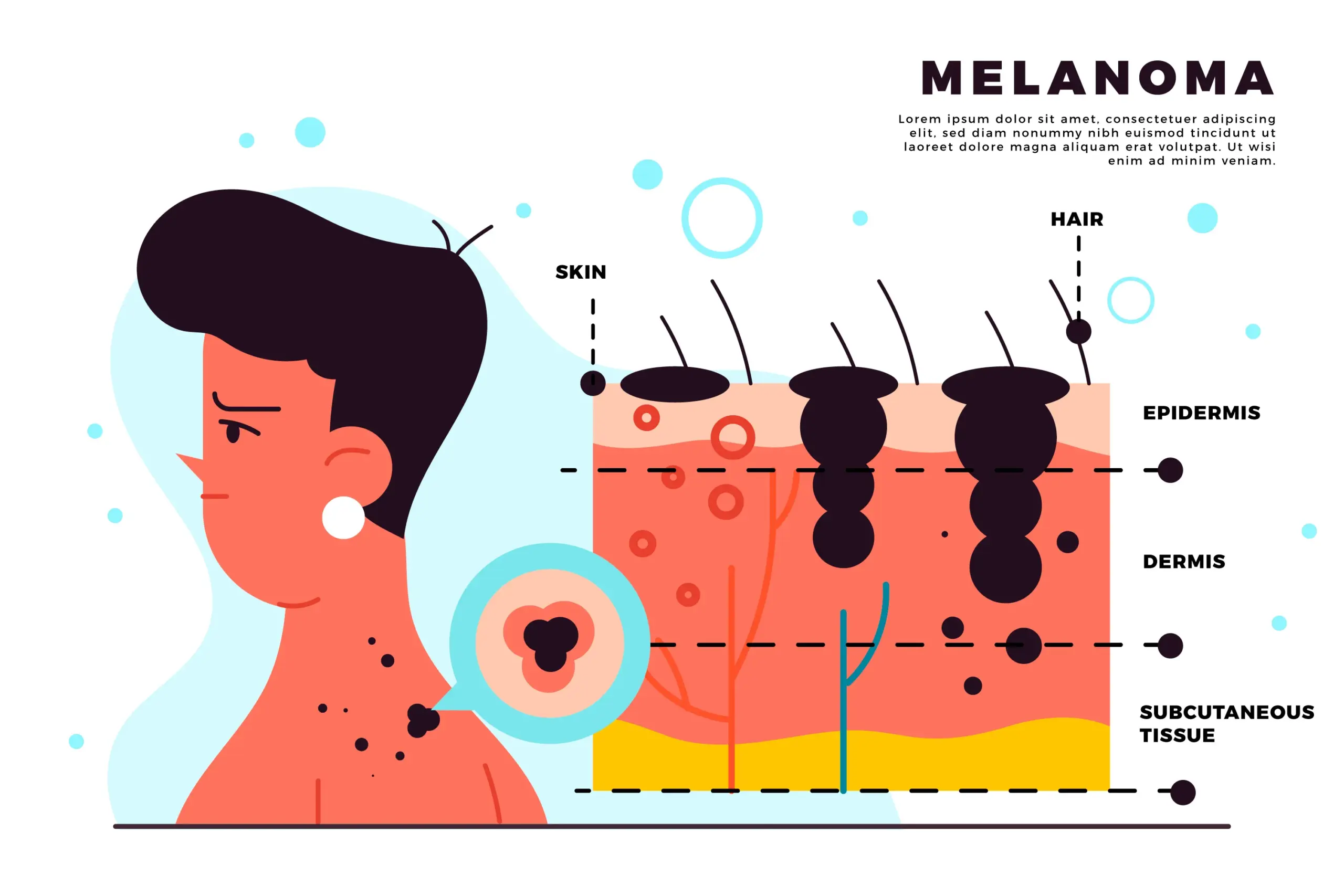
Boils, also known as furuncles, are skin infections that start in hair follicles or oil glands. They appear as red, tender lumps and gradually fill with pus as the infection worsens. Over time, they may grow larger and become more painful before eventually bursting and draining.
Boils are usually caused by bacteria, particularly Staphylococcus aureus, which enters the skin through small cuts or hair follicles. Although a single boil is common and often harmless, repeated occurrences may indicate a deeper issue within the body, such as nutritional deficiencies or immune dysfunction.
What Is Your Body Lacking When You Get Boils?
When boils appear frequently, it often signals that your body is lacking essential nutrients or has an impaired defense system. Below are the most common deficiencies linked to boils:
1. Vitamin C Deficiency
Vitamin C plays a crucial role in boosting the immune system and supporting skin health. When your body lacks this vitamin, your ability to fight infections decreases, making you more prone to boils.
This vitamin also helps in collagen production, which keeps your skin strong and resistant to bacterial entry. A deficiency can weaken the skin barrier, allowing bacteria to infect hair follicles more easily. People with low vitamin C levels may notice slower healing of wounds and frequent skin infections.
2. Zinc Deficiency
Zinc is essential for immune function and wound healing. When your body lacks zinc, it struggles to repair damaged skin and fight off bacterial infections effectively.
A zinc deficiency can lead to increased inflammation and delayed healing, which allows boils to develop and persist longer. Zinc also helps regulate oil production in the skin, and an imbalance may create an environment where bacteria thrive.
3. Iron Deficiency
Iron deficiency can weaken your immune system and reduce your body’s ability to fight infections. Low iron levels are often associated with fatigue, but they can also lead to recurring boils.
When your body lacks sufficient iron, oxygen supply to tissues decreases, slowing down the healing process. This makes it easier for infections to spread and harder for your body to recover from boils.
4. Vitamin A Deficiency
Vitamin A is vital for maintaining healthy skin and supporting immune function. A deficiency in this nutrient can lead to dry, rough skin, which is more susceptible to bacterial infections.
This vitamin also helps regulate skin cell production and prevents clogged pores. Without enough vitamin A, dead skin cells can accumulate, increasing the risk of boils.
5. Protein Deficiency
Protein is essential for tissue repair and immune health. When your body lacks protein, it cannot effectively repair damaged skin or fight infections.
A low-protein diet can weaken your skin structure, making it easier for bacteria to penetrate and cause infections like boils. It also slows down recovery, leading to frequent recurrence.
Other Causes of Boils
While nutritional deficiencies play a major role, several other factors can contribute to boils:
1. Poor Hygiene
Poor hygiene allows bacteria to accumulate on the skin, increasing the risk of infection. Not bathing regularly or wearing unclean clothes can create a breeding ground for bacteria.
Maintaining proper hygiene is essential to prevent bacteria from entering hair follicles and causing boils.
2. Weak Immune System
A weakened immune system makes it difficult for your body to fight infections. Conditions like diabetes, stress, and chronic illness can lower immunity.
When your immune system is compromised, even minor bacterial exposure can lead to boils.
3. Excessive Sweating
Sweat can trap dirt and bacteria on the skin, especially in areas like the armpits, thighs, and neck. This creates an ideal environment for boils to develop.
People who sweat excessively should take extra care to keep their skin clean and dry.
4. Diabetes
High blood sugar levels can impair the immune system and promote bacterial growth. People with diabetes are more prone to skin infections, including boils.
Managing blood sugar levels is crucial to prevent recurring boils in such cases.
Signs Your Body Is Deficient
If boils are frequent, your body may show additional symptoms of deficiencies:
- Frequent infections
- Slow wound healing
- Fatigue and weakness
- Dry or irritated skin
- Hair loss
These signs indicate that your body needs better nutrition and care.
How to Prevent Boils Naturally
Preventing boils requires addressing both external hygiene and internal health.
1. Improve Your Diet
A balanced diet rich in vitamins and minerals can strengthen your immune system. Include fruits, vegetables, lean proteins, and whole grains in your meals.
Foods rich in vitamin C, zinc, and iron can significantly reduce the risk of boils.
2. Stay Hydrated
Drinking enough water helps flush toxins from your body and keeps your skin healthy. Proper hydration also supports immune function.
3. Maintain Proper Hygiene
Regular bathing, clean clothes, and proper skin care can prevent bacterial buildup. Use antibacterial soap if needed.
4. Avoid Sharing Personal Items
Sharing towels, razors, or clothing can spread bacteria. Always use personal hygiene items.
5. Manage Stress
Stress weakens the immune system, making you more vulnerable to infections. Practice relaxation techniques like yoga or meditation.
Best Foods to Prevent Boils
Including the right foods in your diet can help prevent boils:
- Citrus fruits (rich in vitamin C)
- Nuts and seeds (high in zinc)
- Leafy greens (iron-rich)
- Carrots and sweet potatoes (vitamin A)
- Eggs and lean meat (protein)
These foods support your immune system and improve skin health.
Home Remedies for Boils
While addressing deficiencies is important, some home remedies can provide relief:
1. Warm Compress
Applying a warm compress helps increase blood circulation and encourages the boil to drain naturally.
2. Turmeric
Turmeric has antibacterial properties that help fight infection and reduce inflammation.
3. Tea Tree Oil
This natural antiseptic can help kill bacteria and speed up healing.
4. Neem
Neem leaves have strong antibacterial properties and can help reduce infection.
When to See a Doctor
You should consult a doctor if:
- The boil is very painful or large
- You have a fever
- Boils keep recurring
- The infection spreads
Medical treatment may be necessary in severe cases.
Conclusion
So, what is your body lacking when you get boils? The answer often lies in nutritional deficiencies such as vitamin C, zinc, iron, vitamin A, and protein. However, lifestyle factors like poor hygiene, stress, and underlying health conditions also play a significant role.
To prevent boils effectively, you must focus on improving your diet, maintaining hygiene, and strengthening your immune system. Treating the root cause is the key to long-term relief.
FAQs
1. What deficiency causes boils on the skin?
Boils are commonly linked to deficiencies in vitamin C, zinc, iron, and protein. These nutrients are essential for immune function and skin health, and their lack can make the body more prone to infections.
2. Can low immunity cause boils?
Yes, a weak immune system reduces your body’s ability to fight bacterial infections, increasing the chances of developing boils frequently.
3. Are boils a sign of poor diet?
In many cases, yes. A poor diet lacking essential nutrients can weaken your immune system and lead to recurring boils.
4. How can I stop getting boils repeatedly?
Yes, zinc helps boost immunity and promotes faster wound healing, making it effective in preventing and treating boils.
6. Can diabetes cause boils?
Yes, high blood sugar levels can weaken immunity and promote bacterial growth, increasing the risk of boils.
7. How long do boils take to heal?
Most boils heal within 1 to 2 weeks, but recurring boils may take longer if the underlying cause is not addressed.