




Quick answer: A lump near the ankle bone or on the foot is much more often caused by a non-cancerous problem—such as a ganglion cyst, bone spur, swelling after an injury, or another benign growth—than by bone cancer. However, a lump that is growing, feels deep or firm, or occurs with persistent bone pain (especially pain at night), swelling, or difficulty walking should be assessed by a healthcare professional. You cannot tell whether a lump is cancerous by touch or appearance alone.
Finding a lump around the ankle can be worrying, particularly when you search for “ankle bone cancer lump on foot.” The important point is to understand the possible causes without assuming the worst or ignoring a change that needs medical attention. This guide explains warning signs, common non-cancer causes, how clinicians investigate a lump, and when to seek care.
Can a lump on the ankle bone or foot be bone cancer?
It is possible for a bone or soft-tissue tumour to develop in the foot or ankle, but primary bone cancer is rare. A lump in this area does not automatically mean cancer. Many lumps are related to joints, tendons, skin, fluid-filled cysts, inflammation, or previous injuries.
Bone cancer may cause persistent pain or tenderness, swelling over a bone, and sometimes difficulty moving a nearby joint or walking. Pain may become more noticeable at night or continue when the area is resting. Some bone tumours do not cause an obvious lump, and symptoms vary by tumour type and location.
Possible signs that need medical assessment
Arrange a medical assessment if you notice one or more of the following:
- A lump that is steadily increasing in size or changing.
- A firm or deep lump that does not move easily under the skin.
- Persistent pain or tenderness over a bone, particularly pain that wakes you at night.
- Swelling that does not settle or keeps returning.
- Stiffness, reduced ankle movement, a limp, or difficulty bearing weight.
- A fracture after a minor injury or without a clear explanation.
- Unexplained weight loss, unusual tiredness, or fever alongside other persistent symptoms.
These signs can have causes other than cancer. They are reasons to get checked, not a way to diagnose a tumour at home. A lump that is painless can still deserve assessment if it is growing or deep.
Common non-cancer causes of an ankle or foot lump
Ganglion cyst
A ganglion is a fluid-filled lump that often develops near a joint or tendon. It may feel smooth or firm, and its size can change. Some cause no symptoms, while others create pressure or discomfort in shoes.
Bone spur
A bone spur is an extra bony growth that can develop near a joint, sometimes in association with wear-and-tear changes or repeated stress. It may feel hard and fixed because it arises from bone. Imaging may be needed to confirm what is causing the bump.
Injury-related swelling
A sprain, bruise, tendon injury, or small fracture can cause local swelling around the ankle or foot. Swelling after an injury should gradually improve; worsening pain, major bruising, deformity, numbness, or inability to bear weight needs prompt assessment.
Bursitis or tendon inflammation
Inflammation around a tendon or a small fluid-filled cushioning sac can cause a tender or swollen area. Pressure from footwear and repetitive activity may aggravate symptoms.
Skin or soft-tissue lumps
Calluses, warts, lipomas, and other skin or soft-tissue conditions can look or feel like a lump. Their appearance alone is not enough to identify the cause. A changing, enlarging, bleeding, or non-healing skin lesion should also be examined.
How is a lump near the ankle bone checked?
A clinician will ask when the lump appeared, whether it is changing, whether there was an injury, and whether you have pain at rest, at night, or while walking. They may examine the lump, compare both ankles, assess movement, and check circulation and sensation.
Depending on the findings, tests may include:
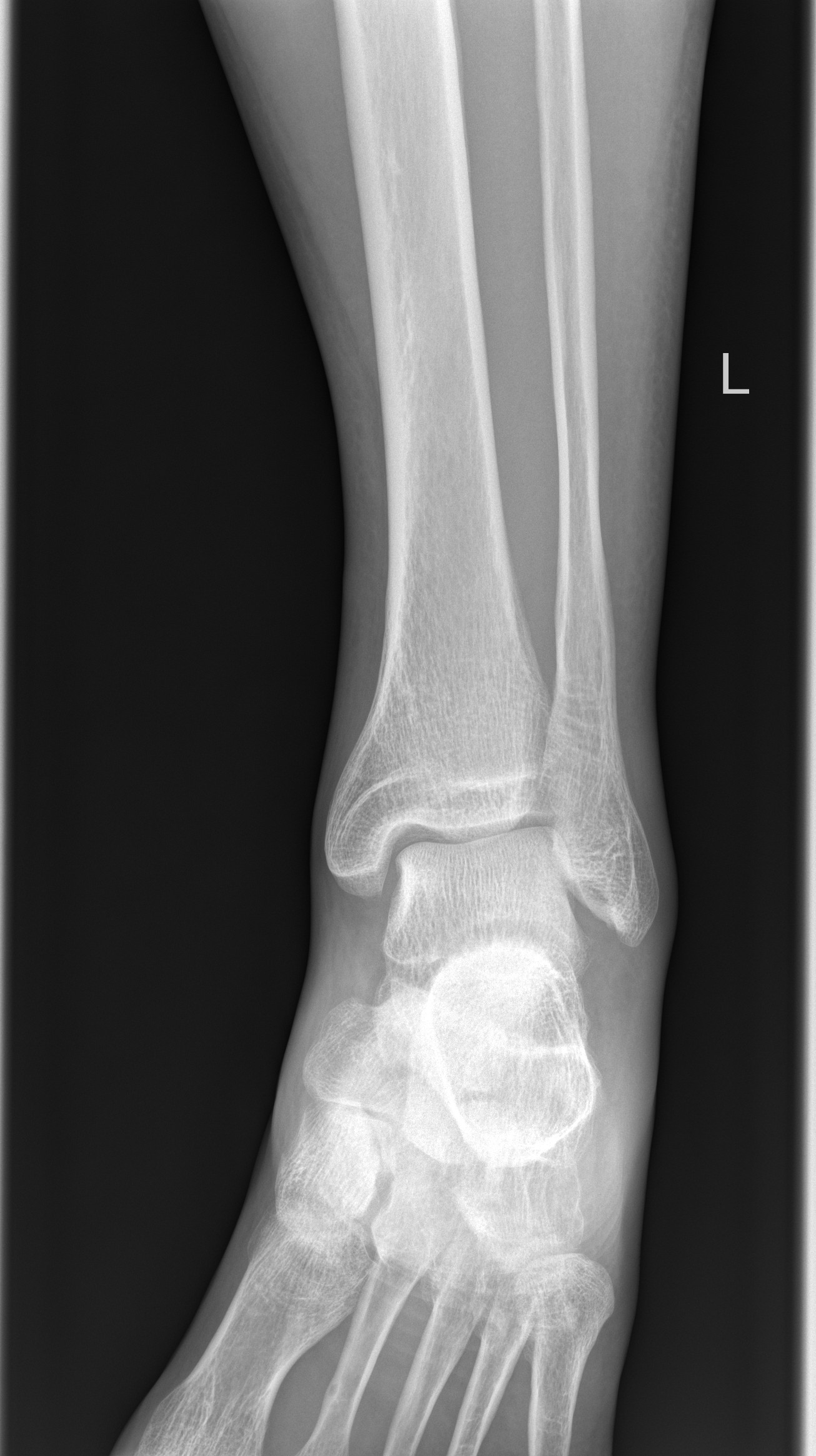
- X-ray: helps assess the bones and may identify a bone spur, fracture, or an abnormal bone change.
- Ultrasound: can help assess some superficial soft-tissue lumps and fluid-filled cysts.
- MRI or other imaging: may be recommended when a deeper soft-tissue or bone problem needs a closer look.
- Biopsy: if imaging raises concern for a tumour, a specialist may arrange a tissue sample. The decision and biopsy plan should be made by the appropriate specialist team.
Not everyone needs every test. The appropriate investigation depends on the examination and the type and location of the lump.
When should you see a doctor?
Book an appointment promptly for a new lump that is growing, deep, firm, unexplained, or associated with persistent bone pain. Do not wait for it to become painful before arranging an assessment. If you have a previous cancer diagnosis and develop a new unexplained bone lump or persistent bone pain, contact your treating team.
Seek urgent medical care if you cannot put weight on the foot after an injury, the ankle looks deformed, pain or swelling is severe, the foot becomes cold or numb, or you develop spreading redness with fever. These symptoms may indicate an injury or infection that needs timely treatment.
What should you do while waiting for an appointment?
- Note when you first noticed the lump and whether its size or shape is changing.
- Take a dated photograph to document visible changes; do not repeatedly press or massage it.
- Wear comfortable footwear that does not rub or compress the area.
- Avoid activities that clearly worsen pain until you have been assessed.
- Do not try to puncture, drain, or remove the lump yourself.
If the lump followed an injury, follow appropriate injury advice and arrange assessment if symptoms are significant or not improving. For more information, read our guide to recognising signs of a possible fracture and our article on why feet may feel unusually cold.
Frequently asked questions
Does bone cancer in the ankle cause a lump?
It can. A bone tumour may cause swelling or a lump over the affected area, along with persistent pain or tenderness. However, most ankle and foot lumps are not bone cancer. A growing or unexplained lump should be assessed.
Is a hard lump on the ankle always cancer?
No. A hard bump may be a normal bony prominence, a bone spur, or another benign condition. A clinician may need an examination and imaging to identify the cause.
Can bone cancer in the foot be painless?
Some bone or soft-tissue lumps may initially be painless. Do not use the absence of pain to rule out a serious cause, particularly if the lump is growing, deep, or changing.
What size lump should I worry about?
Size is only one factor. A lump that is growing, deep, fixed, or otherwise unusual should be checked even if it is small. A healthcare professional can decide whether imaging or referral is needed.
What test detects bone cancer in the ankle?
An X-ray is often an initial test when a bone problem is suspected. Further imaging, such as MRI, and sometimes a biopsy may be needed to establish a diagnosis. The test pathway depends on the clinical findings.
Key takeaway
A lump near the ankle bone or on the foot is not automatically a sign of cancer. Ganglion cysts, bone spurs, injury-related swelling, and other benign conditions are possible explanations. Still, a lump that grows, feels deep, or occurs with persistent or night-time bone pain should be examined. A healthcare professional can determine whether imaging or specialist review is appropriate.
Medical information notice: This article is for general education and is not a diagnosis or a substitute for an individual assessment. If you are concerned about a lump or persistent bone pain, speak with a qualified healthcare professional.