
Quick answer: Poor circulation usually means that blood is not moving through part of the body as effectively as it should. Common causes include peripheral artery disease (PAD), diabetes-related blood vessel damage, smoking, atherosclerosis, blood clots and some vein or blood vessel conditions. The cause depends on where symptoms occur and what other signs are present.
Cold feet or occasional tingling do not automatically mean you have a circulation problem. However, repeated leg pain, one foot that is consistently colder than the other, colour changes or wounds that do not heal deserve medical attention. This guide explains what causes poor circulation, common symptoms and when to seek help.
What does poor circulation mean?
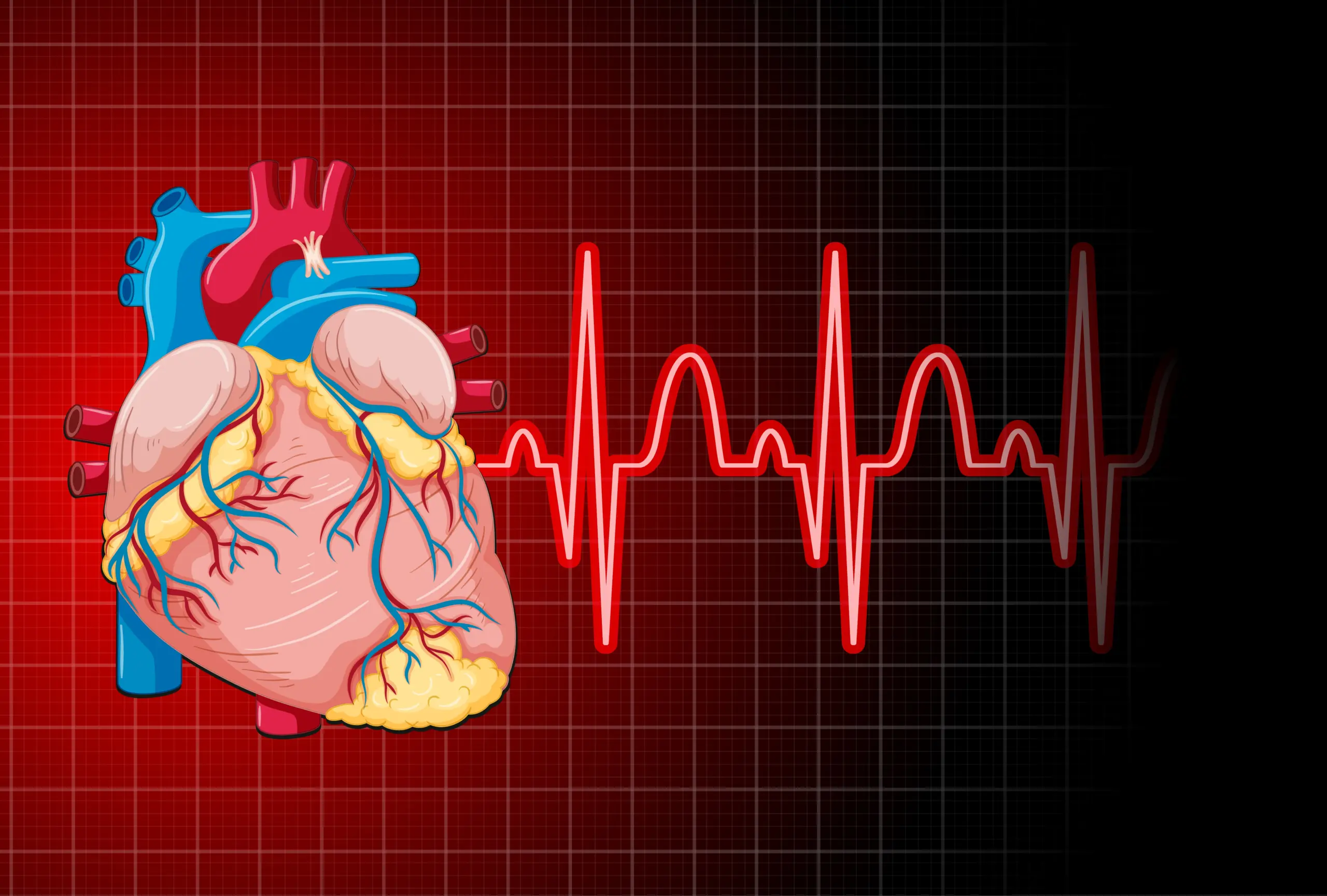
Circulation is the movement of blood through the heart and blood vessels. Arteries carry blood away from the heart, while veins return it. When blood flow is reduced, tissues may receive less oxygen and nutrients or blood may not return efficiently from the limbs. The phrase “poor circulation” is a general description, not a diagnosis. Artery problems, vein problems and other conditions can cause different symptoms and need different evaluations.
What causes poor circulation? 8 common causes
1. Peripheral artery disease (PAD)
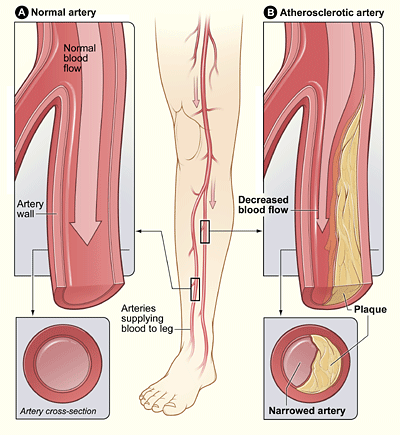
Peripheral artery disease is an important cause of reduced blood flow to the legs. It often develops when fatty deposits called plaque build up inside arteries, a process known as atherosclerosis. The arteries become narrower, limiting the supply of oxygen-rich blood to the legs and feet. Some people notice calf, thigh or buttock discomfort while walking that eases after resting. Others have cold feet, numbness or slow-healing sores, and some have no obvious symptoms.
2. Diabetes
Persistently high blood glucose can damage blood vessels over time and is associated with a higher risk of peripheral artery disease. Diabetes can also affect nerves, which may cause numbness or tingling in the feet. Because nerve changes can make an injury harder to notice, a foot wound may go undetected. Circulation and nerve problems can occur together, but they are not the same condition.
3. Smoking and tobacco use
Smoking damages blood vessels and increases the risk of atherosclerosis and PAD. Nicotine can also cause blood vessels to narrow temporarily. Both current and previous tobacco use are relevant when a clinician assesses circulation symptoms. Avoiding tobacco is an important step in reducing vascular risk.
4. High blood pressure and unhealthy cholesterol levels
High blood pressure can damage artery walls over time. Unhealthy cholesterol levels can contribute to plaque formation inside arteries. These factors may occur together and increase the likelihood of atherosclerosis, which can restrict blood flow to the limbs and other parts of the body.
5. Blood clots
A blood clot can obstruct blood flow. A clot in a deep vein, called deep vein thrombosis (DVT), commonly causes swelling, pain, warmth or tenderness in one leg. An arterial clot can suddenly reduce the blood supply to a limb. These are different problems, and a suspected clot needs prompt medical assessment rather than home treatment.
6. Long periods of sitting or immobility
Staying still for extended periods can slow blood flow in the veins of the legs and may increase the risk of a venous blood clot, particularly when other risk factors are present. Inactivity alone does not explain every case of chronic poor circulation, but regular movement helps support normal blood flow. Long journeys, bed rest and recovery after surgery are situations in which a person may need individual advice about clot prevention.
7. Chronic venous insufficiency
Veins contain valves that help move blood back toward the heart. If these valves do not work properly, blood can collect in the lower legs. This may lead to ankle swelling, aching, heaviness, varicose veins or skin changes around the ankles. Venous insufficiency affects the return of blood and is different from narrowed arteries.
8. Other blood vessel conditions
Some conditions affect how blood vessels behave or become inflamed. Raynaud’s phenomenon can cause small blood vessels, usually in the fingers and toes, to narrow temporarily in response to cold or stress. Vasculitis involves inflammation of blood vessels and can affect circulation in different parts of the body. A clinician can help distinguish these conditions from PAD and other causes.
Common signs and symptoms of poor circulation
Symptoms vary depending on the cause and the part of the body involved. Possible signs include:
- Leg pain, cramping or heaviness during walking that improves with rest.
- Feet or toes that feel unusually cold, especially on one side.
- Numbness, tingling, weakness or changes in skin colour.
- Swelling around the ankles or lower legs.
- Shiny skin, reduced hair growth on the legs or changes in toenails.
- Sores on the feet or legs that heal slowly or do not heal.
These signs can have causes other than circulation problems. For example, nerve conditions, injuries and skin disorders can also cause discomfort or colour changes. You can read more about dark or discoloured skin around the ankles and redness on the bottoms of the feet.
When should you seek medical attention?
Arrange a medical assessment if leg pain repeatedly occurs when walking, a foot is persistently colder or more discoloured than the other, numbness is new or worsening, or a foot or leg wound is not healing. A swollen, painful, warm or tender leg—especially on one side—may indicate DVT and needs urgent same-day medical assessment.
Seek emergency medical help immediately if a limb suddenly becomes very painful, pale or blue, cold, numb or weak, or if you cannot move it normally. Sudden chest pain, shortness of breath, fainting, or possible stroke symptoms (such as sudden facial drooping, arm weakness or speech difficulty) are also emergencies.
How is poor circulation evaluated?
A healthcare professional may ask when symptoms began, where they occur, whether walking or rest changes them, and whether you have risk factors such as diabetes, smoking or high blood pressure. The assessment may include checking skin temperature and colour, feeling pulses and examining the legs and feet.
Depending on the findings, tests may include blood pressure measurements at the ankle and arm (the ankle-brachial index), blood tests or a Doppler ultrasound to assess blood flow. Not everyone needs every test; the choice depends on the symptoms and examination.
What can help lower the risk?
Risk reduction depends on the underlying cause. General measures may include avoiding tobacco, taking regular movement breaks, being physically active within your abilities, and following professional advice for blood pressure, cholesterol and diabetes management. People with diabetes should check their feet regularly and seek advice about new cuts, blisters or sores. Do not start compression garments, medicines or a new exercise programme to treat suspected circulation problems without checking whether they are appropriate for your condition.
Frequently asked questions
Can poor circulation cause cold feet?
It can. Reduced blood flow may make a foot feel cold, but cold feet can also be related to temperature, nerve conditions or other causes. Persistent or one-sided coldness, especially with pain or colour change, should be assessed.
What is the most common cause of poor circulation in the legs?
One important cause is peripheral artery disease, often linked to atherosclerosis. Vein conditions, blood clots and other medical problems can also affect circulation in the legs.
Does sitting for a long time cause poor circulation?
Prolonged immobility can slow venous blood flow and may increase the risk of a blood clot. It does not necessarily mean someone has chronic arterial disease. Taking movement breaks during long periods of sitting is generally sensible.
Can diabetes affect circulation in the feet?
Yes. Diabetes is associated with blood vessel damage and a higher risk of PAD. It can also cause nerve damage, so a person may not notice a foot injury promptly.
Can poor circulation be serious?
It can be, depending on the cause. Severe or sudden loss of blood flow to a limb is an emergency. Persistent symptoms or wounds that do not heal should be evaluated by a healthcare professional.
Key takeaway
What causes poor circulation depends on whether the problem involves arteries, veins, blood clots or another blood vessel condition. PAD, diabetes, smoking, high blood pressure and cholesterol are important contributors, but symptoms alone cannot confirm the cause. A professional assessment is the safest way to identify what is happening and decide whether testing is needed.
Medical sources
- National Heart, Lung, and Blood Institute: PAD causes and risk factors
- CDC: About peripheral artery disease
- NHS: Peripheral arterial disease
- Cleveland Clinic: Poor circulation
Disclaimer: This article is for general educational purposes only. It does not diagnose a condition or replace advice from a qualified healthcare professional. Seek emergency care for sudden or severe symptoms.