
Introduction: Understanding Eye Care After Cataract Surgery
Cataract surgery is a common and safe procedure. Many people regain clear vision after it. But proper aftercare is very important. One common question patients ask is, can I use Refresh eye drops after cataract surgery?
After surgery, your eyes become sensitive. They need time to heal. Doctors usually prescribe specific eye drops. These include antibiotics and anti-inflammatory drops. These help prevent infection and reduce swelling.
At the same time, many patients feel dryness. This leads them to consider artificial tears like Refresh eye drops. But using any product without guidance can be risky.
In this guide, you will learn everything. From safety and benefits to risks and correct usage. This will help you protect your eyes and recover faster.
1. What Are Refresh Eye Drops and How Do They Work?
Refresh eye drops are artificial tears. They are designed to relieve dry eyes. They help keep the eyes moist and comfortable.
These drops usually contain lubricating ingredients. They mimic natural tears. This helps reduce irritation and dryness.
After cataract surgery, dryness is very common. The surface of the eye may feel rough. Blinking may feel uncomfortable. Refresh eye drops can help in such cases.
They are available in different forms. Some are preservative-free. These are often safer for sensitive eyes.
However, not all eye drops are suitable after surgery. Even simple lubricating drops should be used carefully. Understanding how they work helps you make safe choices.
2. Can I Use Refresh Eye Drops After Cataract Surgery?
The answer is yes, but with caution. You can use Refresh eye drops after cataract surgery. But only if your doctor allows it.
Doctors usually prescribe specific drops first. These are important for healing. Artificial tears are often added later.
Using Refresh eye drops too early may interfere with treatment. It may dilute medicated drops. This can reduce their effectiveness.
Always follow your doctor’s instructions. Ask before adding any new product. Even over-the-counter drops should not be used blindly.
Once approved, Refresh drops can provide comfort. They help reduce dryness and irritation. Proper timing and usage are key.
3. Why Do Eyes Feel Dry After Cataract Surgery?
Dry eyes are very common after surgery. Many patients experience this issue. It can last for a few days or weeks.
During surgery, tiny incisions are made. This can affect tear production. The nerves in the eye may take time to heal.
Reduced blinking is another reason. Patients often avoid blinking due to discomfort. This leads to dryness.
Medications can also contribute. Some prescribed drops may cause dryness as a side effect.
Environmental factors play a role too. Air conditioning and screen use can worsen dryness.
Understanding the cause helps you manage it better. Proper care and hydration are essential during recovery.
4. Benefits of Using Refresh Eye Drops After Surgery
Refresh eye drops offer several benefits. They provide instant relief from dryness. This improves comfort.
They help maintain moisture on the eye surface. This supports healing. Proper hydration reduces irritation.
These drops can also reduce redness. They soothe the eyes gently. This makes recovery more comfortable.
Preservative-free versions are especially helpful. They are gentle on sensitive eyes.
Using artificial tears can improve overall eye health. But they should be used correctly. Overuse or incorrect use can cause issues.
Always use them as recommended. This ensures safe and effective results.
5. Risks of Using Eye Drops Without Medical Advice
Using eye drops without advice can be risky. Not all products are safe after surgery.
Some drops contain preservatives. These can irritate healing eyes. They may delay recovery.
Using multiple drops together can dilute medications. This reduces their effectiveness.
Improper usage can increase infection risk. Touching the bottle tip to the eye is dangerous.
Self-medication should be avoided. Always consult your doctor first.
Safe recovery depends on proper guidance. Do not experiment with your eye care routine.
6. When Is It Safe to Start Using Refresh Eye Drops?
Timing is very important. Most doctors allow artificial tears after a few days. This depends on your healing progress.
In the first few days, focus on prescribed drops. These are essential for recovery.
Once initial healing begins, your doctor may suggest lubricating drops. This is when Refresh eye drops can be used.
Each patient is different. Some may need them earlier. Others may not need them at all.
Follow-up visits help determine the right time. Never start on your own.
Proper timing ensures safe and effective recovery.
7. How to Use Refresh Eye Drops Correctly
Using eye drops properly is important. Start by washing your hands. Clean hands prevent infection.
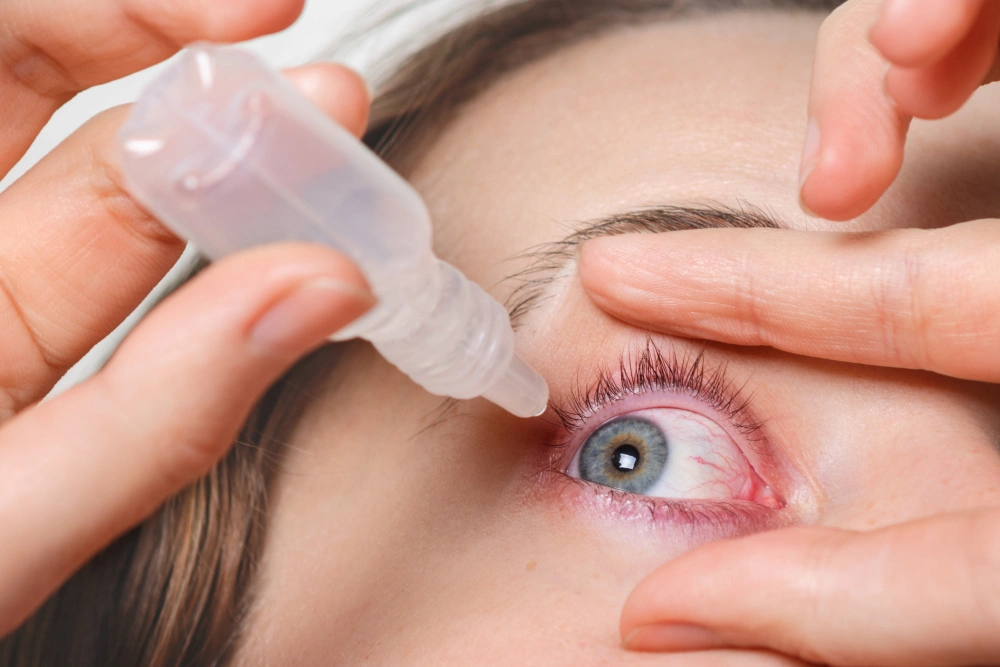
Tilt your head back gently. Pull down your lower eyelid. This creates a small pocket.
Place one drop in the eye. Do not touch the bottle tip to your eye. This avoids contamination.
Close your eyes gently. Do not blink too hard. Let the drop spread naturally.
If using multiple drops, wait a few minutes. This prevents dilution.
Correct usage ensures maximum benefit. It also protects your eyes from harm.
8. How Often Can You Use Refresh Eye Drops?
Frequency depends on your condition. Most people use them 2 to 4 times daily.
Some may need more frequent use. This depends on dryness levels.
Overuse is not recommended. Too many drops can wash away natural tears.
Follow your doctor’s advice. Stick to the recommended schedule.
Using preservative-free drops is safer for frequent use.
Balanced usage is key. It ensures comfort without side effects.
9. Alternatives to Refresh Eye Drops
There are other options for dry eyes. Preservative-free artificial tears are common.
Some patients use gel-based drops. These provide longer relief.
Warm compresses can help. They improve tear production.
Staying hydrated is also important. Drink enough water daily.
Reducing screen time helps prevent dryness. Take regular breaks.
Discuss alternatives with your doctor. Choose what suits your condition best.
10. Tips for Faster Recovery After Cataract Surgery
Recovery depends on proper care. Follow all instructions carefully.
Use prescribed medications on time. Do not skip doses.
Avoid rubbing your eyes. This can cause damage.
Wear protective glasses if advised. They prevent dust exposure.
Maintain hygiene. Clean surroundings reduce infection risk.
Rest your eyes regularly. Avoid strain.
Simple habits can improve healing speed.
11. Common Mistakes to Avoid After Surgery
Many patients make small mistakes. These can delay recovery.
Using unapproved eye drops is one mistake. Always consult your doctor.
Skipping prescribed drops is risky. It affects healing.
Touching or rubbing the eye is harmful. It can cause infection.
Ignoring symptoms is dangerous. Report any unusual signs immediately.
Avoid these mistakes. They ensure a smooth recovery.
12. When to Contact Your Doctor Immediately
Certain symptoms need attention. Severe pain is not normal.
Sudden vision loss is a warning sign. Seek help immediately.
Redness or swelling that increases is concerning.
Discharge from the eye indicates infection.
Persistent dryness despite treatment needs evaluation.
Do not delay medical advice. Early action prevents complications.
Looking for safe and expert eye care guidance?
Trust CureAware for professional support, personalized treatment advice, and reliable recovery solutions. Book your consultation today and ensure your eyes heal safely and comfortably.
FAQs
1. Can I use Refresh eye drops after cataract surgery?
Yes, but only after consulting your doctor.
2. Are Refresh eye drops safe for sensitive eyes?
Yes, especially preservative-free versions.
3. When can I start using artificial tears?
Usually after a few days, based on doctor advice.
4. How often should I use Refresh drops?
2 to 4 times daily or as recommended.
5. Can eye drops interfere with healing?
Yes, if used incorrectly or without guidance.
6. Why do my eyes feel dry after surgery?
Due to reduced tear production and healing process.
7. Can I use multiple eye drops together?
Yes, but with proper spacing between them.
8. What should I avoid after cataract surgery?
Avoid rubbing eyes and using unapproved products.
9. Are preservative-free drops better?
Yes, they are gentler on healing eyes.
10. When should I contact my doctor?
If you experience pain, redness, or vision changes.