


Introduction
Body image has always been a shifting story. Trends rise, fade, and return. But personal comfort? That stays timeless. Butt reduction surgery is one of those procedures people quietly research but rarely talk about openly. The goal is simple. Create balance. Reduce excess volume. Improve comfort in daily life.
This is not about chasing trends. It is about how you feel in your own skin. Some people experience physical discomfort. Others struggle with clothing fit. And some just want proportion. That is where this procedure enters the conversation.
In this guide, we will break everything down. No fluff. No confusing medical jargon. Just real, clear insights. If you are curious, cautious, or seriously considering it, you are in the right place.
What Is Butt Reduction Surgery?
Butt reduction surgery is a cosmetic procedure designed to reduce the size and volume of the buttocks. It focuses on removing excess fat, tissue, or sometimes skin. The result is a smaller, more proportionate appearance.
There are different techniques used. Liposuction is the most common. In some cases, excision methods are used when skin removal is needed. The choice depends on your body type and goals.
This procedure is not just about looks. For many, it improves movement and comfort. Sitting, walking, and even sleeping can feel easier.
The idea is not perfection. It is proportion. A balanced silhouette that aligns with your natural frame.
Why Do People Consider Butt Reduction Surgery?
People choose this surgery for many reasons. And no, it is not always about aesthetics.
Some individuals experience physical strain. Excess weight in the buttocks can affect posture. It can also lead to lower back discomfort. Over time, this becomes more than just an inconvenience.
Clothing can also be a challenge. Finding the right fit becomes frustrating. Standard sizes often do not accommodate disproportionate body shapes.
Then comes confidence. Not the shallow kind. The quiet, everyday confidence. The kind that shows up in how you walk, sit, and exist in your own body.
It is a personal decision. And it is rarely impulsive.
Types of Butt Reduction Procedures
There is no one-size-fits-all method. Different bodies need different approaches.
Liposuction is the most common technique. It removes excess fat using suction. It is less invasive and has a shorter recovery time.
Surgical excision is another option. This is used when there is excess skin along with fat. It involves removing tissue and tightening the area.
In some cases, a combination of both is used. This provides better contouring results.
Each method has its pros and cons. The right choice depends on your anatomy and expectations.
Secondary Keywords You Should Know
When researching butt reduction surgery, you will come across several related terms. These help you understand the procedure better.
Common secondary keywords include gluteal reduction, butt liposuction, fat removal surgery, body contouring procedures, cosmetic butt reduction, surgical fat removal, and butt reshaping surgery.
You might also see terms like non-surgical butt reduction and fat reduction treatments. These refer to alternatives that do not involve surgery.
Understanding these terms helps you navigate information more effectively. It also helps you ask better questions during consultations.
Knowledge is your strongest tool here.
Who Is an Ideal Candidate?
Not everyone is a perfect fit for this procedure. And that is okay.
Ideal candidates are generally healthy individuals. They have realistic expectations. And they are looking for proportion, not perfection.
People with stable body weight tend to see better results. Sudden weight changes after surgery can affect outcomes.
It is also important to have good skin elasticity. This helps the skin adjust after fat removal.
Most importantly, the decision should come from within. Not from pressure. Not from trends. Just from you.
How to Prepare for the Surgery
Preparation is more important than people think. It sets the tone for your entire experience.
You will likely undergo a medical evaluation. This ensures you are fit for surgery. Blood tests and physical exams are common.
Lifestyle adjustments may be required. Smoking, for example, can affect healing. Doctors often advise stopping it before surgery.
You will also need to plan your recovery. Arrange help at home. Prepare comfortable clothing. Stock up on essentials.
Mental preparation matters too. Know what to expect. Stay informed. Stay grounded.
What Happens During the Procedure?
The procedure usually starts with anesthesia. This ensures comfort throughout the surgery.
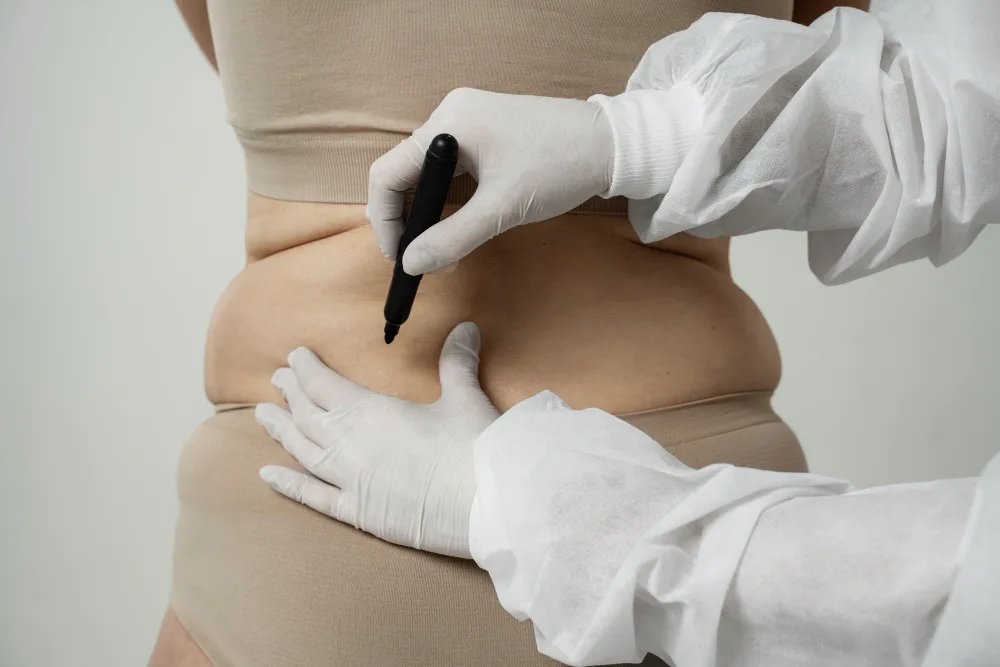
Small incisions are made in targeted areas. Fat is then removed using specialized tools. If needed, excess skin is also removed.
The surgeon carefully shapes the area. The goal is smooth, natural contours. Not drastic changes.
The duration varies. It can take a few hours depending on the complexity.
Once done, the area is dressed and monitored. You are then moved to recovery.
Simple steps. But precision matters at every stage.
Recovery and Healing Process
Recovery is not instant. It takes patience. And a bit of discipline.
Swelling and bruising are common in the first few days. This is completely normal. Compression garments are often recommended. They help reduce swelling and support healing.
Most people return to light activities within a couple of weeks. But full recovery may take several weeks.
Follow-up appointments are important. They help track progress and address concerns.
Healing is gradual. Results improve over time.
Risks and Possible Complications
No surgery is risk-free. That is just reality.
Common risks include swelling, infection, and uneven results. In rare cases, complications may occur.
Choosing a qualified surgeon reduces these risks significantly. Experience matters more than anything here.
It is also important to follow post-operative care instructions. Skipping them can affect your results.
Be informed. Not scared. Just aware.
Cost Factors to Consider
The cost of butt reduction surgery varies widely. It depends on several factors.
Location plays a role. Surgeon experience also impacts pricing. The complexity of the procedure matters too.
Additional costs may include anesthesia, facility fees, and post-surgery care.
This is not something to bargain hunt. Quality and safety should come first.
Think long-term. Not just upfront cost.
Non-Surgical Alternatives
Not everyone wants surgery. And that is completely valid.
Non-surgical options include fat freezing, laser treatments, and ultrasound-based procedures. These methods target fat cells without incisions.
However, results are usually subtle. They may require multiple sessions.
These options are best for minor reductions. Not major changes.
Still, they are worth exploring if you prefer a less invasive approach.
Long-Term Results and Maintenance
Results from butt reduction surgery can be long-lasting. But they are not immune to lifestyle changes.
Weight gain can affect the outcome. So can lack of physical activity.
Maintaining a stable weight helps preserve results. A balanced lifestyle goes a long way.
Think of surgery as a reset. Not a free pass.
Consistency is key.
Emotional and Psychological Impact
This part often gets overlooked. But it matters a lot.
Body changes can affect how you feel emotionally. For many, it boosts confidence. For others, it takes time to adjust.
It is important to have realistic expectations. Surgery enhances. It does not transform your entire life.
Support from friends or family can help during recovery.
Your mindset shapes your experience more than you think.
How to Choose the Right Surgeon
This decision can make or break your experience.
Look for qualifications. Check certifications. Experience in body contouring procedures is a must.
Before-and-after photos can give you insight into their work. Reviews and testimonials also help.
Do not rush consultations. Ask questions. Be curious. Be skeptical.
Trust is earned. Not assumed.
Common Myths About Butt Reduction Surgery
There is a lot of misinformation out there. Let’s clear some of it.
Myth one: It is only for cosmetic reasons. Not true. Many seek it for physical comfort.
Myth two: Results are instant. Also not true. Healing takes time.
Myth three: It is extremely risky. Like any surgery, risks exist. But they are manageable with proper care.
Do not believe everything you read online. Always verify.
Lifestyle Tips After Surgery
Post-surgery life requires some adjustments. But nothing extreme.
Stay active once your doctor अनुमति allows it. Light exercise helps maintain results.
Eat balanced meals. Avoid drastic weight changes.
Hydration also plays a role in recovery.
These are simple habits. But they make a big difference.
FAQs
1. Is butt reduction surgery permanent?
Results can be long-lasting if you maintain a stable weight and healthy lifestyle.
2. How painful is the procedure?
Pain is manageable with medication. Most discomfort occurs during early recovery.
3. How long is the recovery time?
Initial recovery takes a few weeks. Full healing may take a few months.
4. Are there visible scars?
Scarring depends on the technique used. Surgeons aim to minimize visibility.
5. Can fat return after surgery?
Yes, if significant weight gain occurs.
6. Is it safe?
It is generally safe when performed by a qualified professional.
7. What is the best age for this surgery?
There is no fixed age. Health and readiness matter more.
8. Can I combine it with other procedures?
Yes, in some cases. Consult your surgeon.
9. Are non-surgical options effective?
They work for minor changes. Not major reductions.
10. When will I see final results?
Usually after swelling subsides, which can take a few months.
Final Thoughts
Butt reduction surgery is not just a cosmetic decision. It is a personal one. Rooted in comfort, confidence, and balance.
Trends will keep changing. But your relationship with your body? That is long-term.
So take your time. Ask questions. Stay informed. And most importantly, make the decision that feels right for you.
Call to Action
If you are exploring options and want to understand your choices better, take a step toward informed decisions with cureaware. It is about learning, not rushing. Your journey, your pace.