


What does a pinched nerve feel like? A pinched nerve can feel like pain, tingling, numbness, burning, or an electric-shock-like sensation that travels along the path of a nerve. Some people also notice weakness or a pins-and-needles feeling. Symptoms depend on where the nerve is irritated or compressed and may affect the neck, back, shoulder, arm, hand, hip, leg, or foot.
A pinched nerve is a common description for a nerve that is being compressed, irritated, or inflamed. Muscle tightness, swelling, a herniated disc, arthritis-related changes, repetitive movements, or prolonged pressure can contribute. Many mild cases improve with time and conservative care, but persistent, severe, or worsening symptoms should be evaluated by a healthcare professional.
What Does a Pinched Nerve Feel Like?
The sensation can vary considerably from person to person. Common symptoms include:
- Sharp, aching, or burning pain
- Tingling or a pins-and-needles sensation
- Numbness or reduced sensation
- Electric-shock-like or shooting pain
- Pain that radiates away from the affected area
- Muscle weakness
- A feeling of heaviness or reduced coordination in an affected limb
One useful clue is that nerve-related symptoms may travel along a specific pathway rather than staying only at the spot where the problem began. For example, irritation of a nerve in the neck may cause symptoms that extend into the shoulder, arm, or hand.
What Does a Pinched Nerve Feel Like in Different Parts of the Body?
Pinched Nerve in the Neck
A compressed or irritated nerve in the neck may cause neck pain along with pain, tingling, numbness, or weakness that travels into the shoulder, arm, or hand. Turning or extending the neck can sometimes aggravate symptoms.
Pinched Nerve in the Lower Back
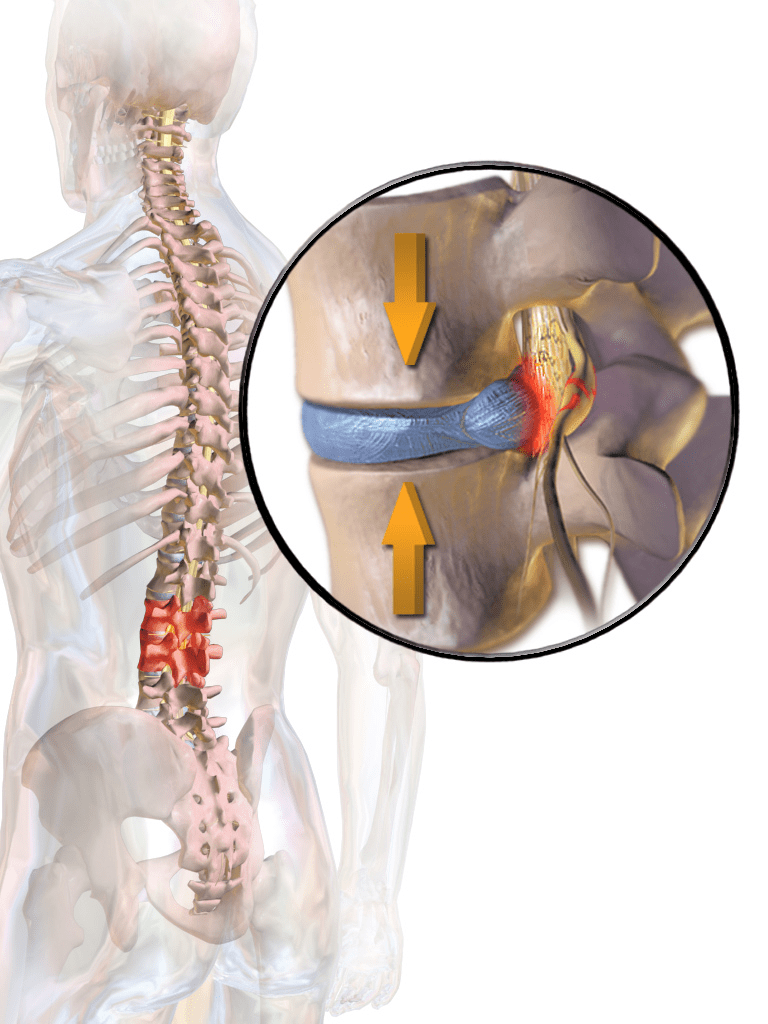
A nerve affected in the lower back can cause low-back pain with symptoms that travel into the buttock, thigh, calf, or foot. When the sciatic nerve or its nerve roots are involved, people often describe the discomfort as shooting, burning, or electric.
Pinched Nerve in the Shoulder or Arm
Nerve irritation around the neck or upper limb can produce pain, tingling, numbness, or weakness in the shoulder, arm, wrist, or fingers. The exact fingers affected can sometimes provide clues about which nerve or nerve root is involved, although only a clinical evaluation can establish the cause.
Pinched Nerve in the Hip or Leg
Nerve compression in the lower spine or pelvis may lead to pain, tingling, numbness, or weakness extending into the hip, buttock, thigh, leg, or foot.
What Causes a Pinched Nerve?
Nerves can become compressed or irritated for many reasons. Common contributors include:
- Herniated or bulging spinal discs
- Arthritis and age-related changes in the spine
- Bone spurs that narrow spaces where nerves pass
- Muscle or soft-tissue swelling
- Repetitive movements or prolonged awkward positioning
- Injury or inflammation
- Pressure on a nerve at areas such as the wrist or elbow
Pinched Nerve vs. Muscle Strain: What’s the Difference?
A muscle strain commonly causes localized soreness, tenderness, stiffness, and pain that becomes more noticeable when the affected muscle is used or stretched. A pinched nerve is more likely to cause neurological symptoms such as numbness, tingling, burning, shooting pain, or weakness, especially when symptoms radiate away from the original area.
However, symptoms can overlap. A healthcare professional may need to examine your strength, sensation, reflexes, movement, and medical history to determine the likely cause.
How Is a Pinched Nerve Diagnosed?
Diagnosis usually starts with a medical history and physical examination. A clinician may ask where the pain travels, what makes it better or worse, and whether you have numbness, tingling, or weakness. Depending on the symptoms and suspected cause, additional testing such as imaging or nerve studies may be considered.
How Is a Pinched Nerve Treated?
Treatment depends on the underlying cause and severity. For some people, symptoms improve with time and conservative measures. A healthcare professional may recommend activity modification, physical therapy, exercises, pain-relief strategies, or treatment directed at an underlying spinal or nerve condition. More persistent or severe cases may require specialist assessment.
Avoid pushing through severe or worsening neurological symptoms. The right treatment depends on identifying what is irritating or compressing the nerve.
How Long Does a Pinched Nerve Last?
The duration varies. A mild nerve irritation may improve over days or weeks, while symptoms caused by a disc problem, significant narrowing, injury, or another underlying condition may last longer. If symptoms are not improving, keep returning, or are interfering with normal activities, seek medical advice.
When Should You See a Doctor?
Consider medical evaluation if pain, numbness, tingling, or weakness persists, keeps returning, interferes with sleep or daily activities, or is getting worse. Prompt assessment is particularly important when symptoms include noticeable muscle weakness or loss of function.
When Is a Pinched Nerve an Emergency?
Seek urgent medical attention for sudden or significant weakness, loss of bladder or bowel control, numbness around the groin or inner thighs, severe symptoms after a major injury, or rapidly worsening neurological symptoms. These signs can indicate a more serious problem and should not be assumed to be a simple pinched nerve.
Frequently Asked Questions
1. What does a pinched nerve feel like?
It can feel like sharp, burning, shooting, or electric pain, often accompanied by tingling, numbness, or weakness.
2. Can a pinched nerve cause tingling?
Yes. Tingling or pins-and-needles sensations are common symptoms when a nerve is irritated or compressed.
3. Can a pinched nerve cause numbness?
Yes. Reduced sensation or numbness may occur in the area supplied by the affected nerve.
4. Can a pinched nerve cause muscle weakness?
Yes. Significant or persistent weakness can occur when nerve function is affected and should be evaluated by a healthcare professional.
5. Does a pinched nerve hurt all the time?
Not necessarily. Symptoms may come and go and can change with movement, posture, or pressure on the affected nerve.
6. Can a pinched nerve cause pain that travels?
Yes. Nerve pain may radiate from the neck or back into an arm or leg, depending on the affected nerve.
7. How can you tell a pinched nerve from a muscle strain?
Nerve irritation is more likely to produce tingling, numbness, burning, shooting pain, or weakness, while a muscle strain more often causes localized muscle soreness and tenderness.
8. Can a pinched nerve heal on its own?
Some mild cases improve as the irritation settles, but recovery depends on the underlying cause. Persistent or worsening symptoms should be assessed.
9. Should I exercise with a pinched nerve?
Gentle activity may be appropriate for some people, but exercises should match the underlying condition. Stop activities that significantly worsen symptoms and ask a healthcare professional for individualized guidance.
10. When should I worry about a pinched nerve?
Seek prompt medical attention for new or worsening weakness, major loss of sensation, bladder or bowel changes, saddle-area numbness, or rapidly worsening neurological symptoms.
Key Takeaway
A pinched nerve commonly causes pain together with tingling, numbness, burning, shooting sensations, or weakness. Symptoms can occur in the neck, back, shoulder, arm, hand, hip, leg, or foot and may radiate along a nerve pathway. Because similar symptoms can have other causes, persistent, severe, or worsening symptoms deserve professional evaluation.
Medical disclaimer: This article is for general educational purposes and is not a substitute for diagnosis or treatment from a qualified healthcare professional.