


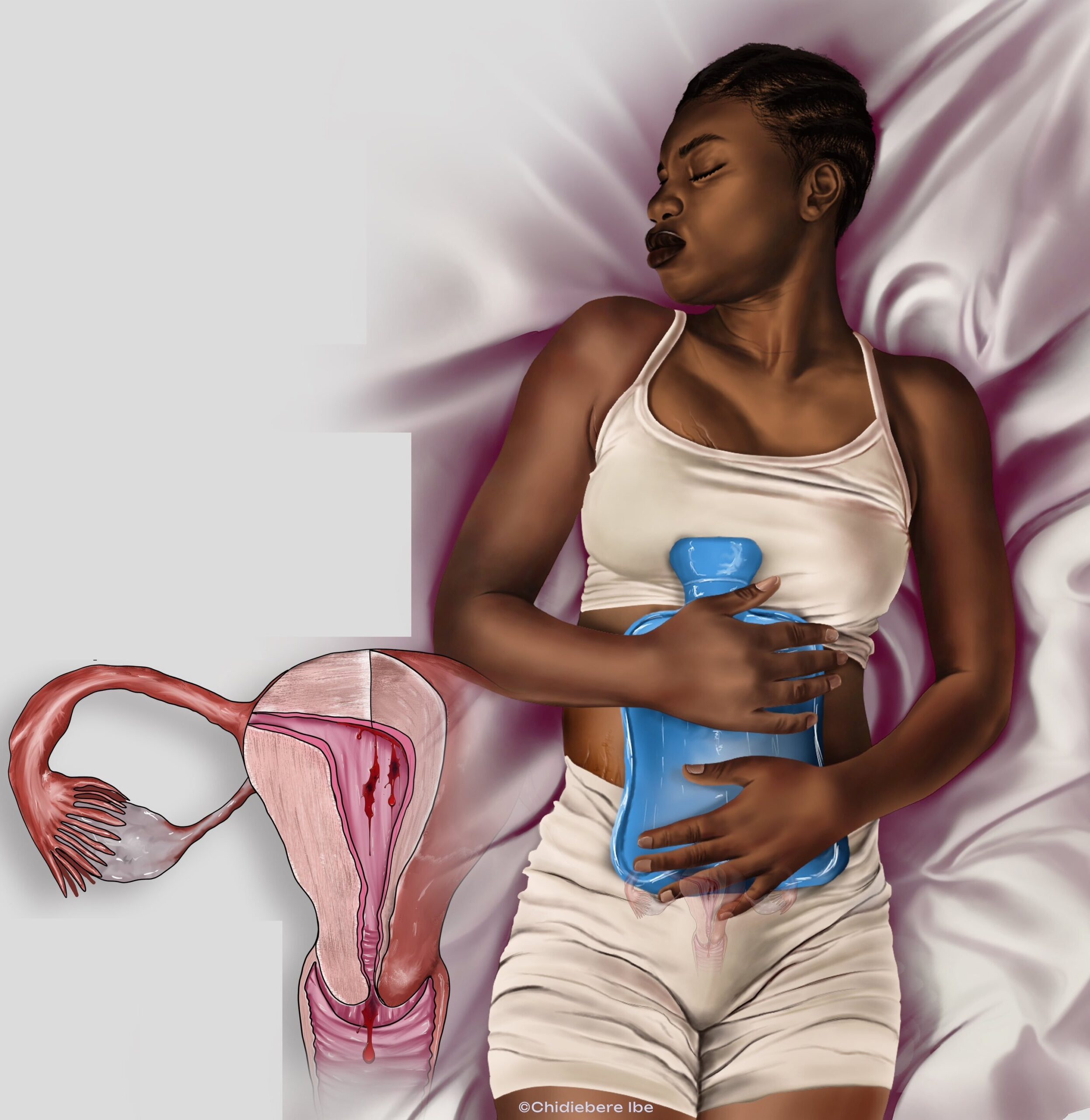
Cramping but no period can be confusing, especially when you expect your menstrual bleeding to start soon. Mild lower abdominal cramps do not always mean that a period is about to begin. Hormonal changes, ovulation, pregnancy, digestive issues, stress, and several gynecological conditions can all cause cramping even when there is little or no bleeding.
The timing of the cramps, where you feel them, how severe they are, how long they last, and whether you have other symptoms can provide useful clues. A late period with mild cramps is often not an emergency, but severe or unusual pain should not be ignored.
What Does Cramping but No Period Mean?
Cramping without menstrual bleeding means you are experiencing pain or tightening in the lower abdomen or pelvic area around a time when you expected your period. The uterus, ovaries, bowel, bladder, abdominal muscles, and other structures can all contribute to pain in this region, so the symptom does not have one single explanation.
Sometimes your period is simply late and the cramps are part of your usual premenstrual symptoms. In other situations, the cramps may be related to ovulation, early pregnancy, hormonal fluctuations, or another condition that is unrelated to menstruation.
Common Causes of Cramping but No Period
1. A Late or Irregular Period
Periods do not always arrive on exactly the same day each month. Changes in sleep, stress, travel, exercise, weight, illness, and hormone levels can affect the menstrual cycle. If ovulation occurs later than usual, the next period may also arrive later.
You may still experience familiar premenstrual symptoms such as lower abdominal cramps, breast tenderness, bloating, fatigue, or mood changes even though bleeding has not started yet.
2. Pregnancy
Early pregnancy can sometimes cause mild cramping around the time a period is expected. Hormonal changes and changes in the uterus may contribute to pelvic discomfort. Some people also notice breast tenderness, fatigue, nausea, increased urination, or light spotting.
If pregnancy is possible and your period is late, taking a home pregnancy test can help clarify the situation. A test may be less reliable if taken very early, so following the test instructions and repeating it when appropriate may be useful if your period remains absent.
3. Ovulation
Some people experience one-sided or central lower abdominal pain around ovulation. This is sometimes called ovulation pain. It can occur in the middle portion of the menstrual cycle and may last for a short period or, in some cases, longer.
Ovulation pain can be mistaken for menstrual cramps because both can feel like aching, pressure, or a sharp twinge in the lower abdomen. If ovulation occurs later than usual, your period may also be delayed.
4. Premenstrual Symptoms Before Bleeding Starts
Cramping can occur before menstrual bleeding actually begins. For some people, pelvic discomfort starts several days before the period. If the cycle is delayed, these symptoms may appear before the bleeding does.
5. Stress
Significant emotional or physical stress can affect the hormones involved in ovulation and menstruation. This can lead to a delayed, lighter, heavier, or occasionally missed period. Stress can also contribute to muscle tension and digestive symptoms that may feel similar to menstrual cramps.
6. Polycystic Ovary Syndrome
Polycystic ovary syndrome can cause irregular or infrequent periods because ovulation may not occur regularly. Some people may experience pelvic discomfort, acne, increased facial or body hair, or changes in weight along with irregular cycles.
If your periods are frequently irregular or you regularly go months without bleeding, a healthcare professional can assess your symptoms and determine whether a hormonal condition may be involved.
7. Endometriosis
Endometriosis occurs when tissue similar to the lining of the uterus grows outside the uterus. It can cause pelvic pain, painful periods, pain during sex, pain with bowel movements or urination during periods, and sometimes difficulty becoming pregnant.
Pain associated with endometriosis is not necessarily limited to days when menstrual bleeding occurs. Persistent or severe pelvic pain deserves medical evaluation.
8. Adenomyosis
Adenomyosis occurs when tissue similar to the uterine lining grows into the muscular wall of the uterus. It may cause painful periods, pelvic pressure, heavy bleeding, or an enlarged and tender uterus. Symptoms can vary widely, and some people may have few or no noticeable symptoms.
9. Ovarian Cysts
Ovarian cysts are fluid-filled sacs or other growths that can develop on an ovary. Many are harmless and disappear without treatment, but some can cause pelvic pain, pressure, bloating, or changes in the menstrual cycle.
Sudden severe pelvic pain, particularly with nausea or vomiting, can occur when a cyst ruptures or an ovary twists. These symptoms require urgent medical assessment.
10. Digestive Problems
Gas, constipation, diarrhea, bloating, and other digestive problems can cause lower abdominal cramps that may feel similar to menstrual pain. The digestive and reproductive organs are located close together, so it is not always easy to identify the source of mild abdominal discomfort based on location alone.
Changes in bowel movements, excessive gas, abdominal fullness, or relief after passing stool or gas may suggest a digestive cause.
11. Urinary Tract Problems
A urinary tract infection can sometimes cause lower abdominal discomfort or pelvic pressure. Other symptoms may include burning during urination, needing to urinate frequently, cloudy or strong-smelling urine, or blood in the urine.
Kidney-related problems can cause more severe pain, often toward the back or side, and may occur with fever, nausea, or urinary symptoms.
12. Pelvic Inflammatory Disease
Pelvic inflammatory disease is an infection involving the reproductive organs. It can cause lower abdominal or pelvic pain, abnormal vaginal discharge, pain during sex, fever, bleeding between periods, or pain when urinating.
Because untreated reproductive-tract infections can lead to complications, symptoms suggesting pelvic inflammatory disease should be assessed by a healthcare professional.
13. Perimenopause and Hormonal Changes
During the years leading up to menopause, menstrual cycles can become less predictable. Periods may arrive earlier or later, become lighter or heavier, or occasionally be skipped. Hormonal fluctuations can also cause symptoms such as cramping, breast tenderness, sleep changes, or hot flashes.
Can You Have Pregnancy Cramps but No Period?
Yes. Mild cramping can occur in early pregnancy, including around the time a period would normally be expected. However, cramps alone cannot confirm pregnancy because many non-pregnancy causes can produce the same sensation.
If pregnancy is possible and your period is late, consider taking a pregnancy test. If you have a positive test and experience significant pain, bleeding, dizziness, fainting, or shoulder pain, seek urgent medical attention because these symptoms can sometimes occur with an ectopic pregnancy.
What Does Early Pregnancy Cramping Feel Like?
Early pregnancy cramps may feel like mild pulling, pressure, aching, or period-like discomfort in the lower abdomen. Some people notice occasional cramps rather than constant pain.
There is no specific type of cramp that proves pregnancy. The most useful next step when pregnancy is possible is testing rather than trying to diagnose pregnancy based on the sensation alone.
Can You Have Period Cramps Without Bleeding?
Yes. Menstrual-type cramps can occur before bleeding begins, during a delayed cycle, around ovulation, or because of conditions affecting the reproductive or digestive systems. If the pain is mild and resolves as your cycle progresses, it may not indicate a serious problem.
Repeated cramps without periods, however, are worth discussing with a healthcare professional, particularly when your cycles are frequently irregular.
Cramping but No Period and Negative Pregnancy Test
A negative pregnancy test with cramps can happen for several reasons. The test may have been taken too early, ovulation may have occurred later than expected, or the missed period may have another cause.
If your period does not arrive, follow the test instructions and consider repeating the test after an appropriate interval. If tests remain negative and your periods continue to be absent or irregular, make an appointment with a healthcare professional.
Cramping but No Period for a Week
Being about a week late can happen occasionally, particularly when cycles are irregular. Pregnancy is one possibility if there has been unprotected sex, but stress, delayed ovulation, illness, weight changes, intense exercise, and hormonal conditions can also affect cycle timing.
If the delay is unusual for you, pregnancy testing may be appropriate. Seek care sooner if the cramps are severe, one-sided, worsening, or accompanied by bleeding, fever, dizziness, fainting, or vomiting.
Cramping but No Period for a Month
Missing a period for a month can have many explanations. Pregnancy should be considered when it is possible. Other causes include significant stress, changes in body weight, excessive exercise, hormonal disorders, thyroid problems, certain medications, and changes associated with perimenopause.
If you have missed a period for a month without a clear reason, especially if this is unusual for you, it is reasonable to speak with a healthcare professional.
When Is Cramping Without a Period an Emergency?
Severe pelvic or abdominal pain should not be assumed to be normal menstrual cramping. Seek urgent medical attention if you experience:
- Severe or rapidly worsening abdominal or pelvic pain
- Sudden intense pain, particularly on one side
- Fainting, severe dizziness, weakness, or confusion
- Heavy vaginal bleeding
- Severe pain with a positive pregnancy test
- Shoulder pain along with abdominal pain, dizziness, or bleeding when pregnancy is possible
- Fever or chills with pelvic pain
- Persistent vomiting or inability to keep fluids down
- Severe pain with a swollen or rigid abdomen
How Is the Cause of Cramping Without a Period Diagnosed?
A healthcare professional may ask about your menstrual history, pregnancy possibility, sexual health, medications, recent stress, changes in weight or exercise, and other symptoms. You may also be asked when the cramps began, whether the pain is constant or comes and goes, and whether it occurs on one side.
Depending on the symptoms, evaluation may include a pregnancy test, urine testing, blood tests, a pelvic examination, or imaging such as an ultrasound. The appropriate tests depend on your individual symptoms and medical history.
What Can You Do for Mild Cramps at Home?
If the cramps are mild and there are no warning signs, simple measures may provide comfort while you monitor your symptoms:
- Use gentle heat on the lower abdomen.
- Stay hydrated and eat regular, balanced meals.
- Try gentle walking or stretching if movement feels comfortable.
- Get enough rest and prioritize sleep.
- Track your menstrual cycle and symptoms.
- Consider an over-the-counter pain reliever only if it is appropriate for you and you follow the product directions.
If pregnancy is possible, check with a healthcare professional or pharmacist before taking medication, particularly if you are unsure which pain relievers are appropriate during pregnancy.
How to Track Cramping and Menstrual Symptoms
Keeping a simple record can make it easier to identify patterns. Note the first day of each period, cycle length, the location and intensity of cramps, spotting or bleeding, digestive symptoms, urinary symptoms, medications, stress, and other significant changes.
Tracking symptoms over several cycles can also help a healthcare professional understand whether the problem is occasional or part of a recurring pattern.
Frequently Asked Questions
Is cramping but no period a sign of pregnancy?
It can be, but cramps alone do not confirm pregnancy. A late period and other symptoms may increase suspicion, but a pregnancy test is the better way to check.
How long can you have cramps before your period starts?
Some people experience cramps for several days before bleeding begins. The timing varies between individuals and from one cycle to another.
Can stress cause cramps and a late period?
Stress can affect the hormones involved in ovulation and may delay a period. Stress can also cause muscle tension and digestive symptoms that feel like abdominal cramps.
Can ovulation cause cramps when you are not on your period?
Yes. Ovulation can cause temporary pelvic pain, often around the middle of the cycle. It may be felt more strongly on one side.
Should I take a pregnancy test if I have cramps but no period?
If pregnancy is possible and your period is late, taking a pregnancy test can help determine whether pregnancy may be contributing to your symptoms. Follow the test instructions carefully.
What if I have cramps but no period and a negative test?
A negative result can occur when testing is done too early or when the missed period has another cause. If your period remains absent, consider repeating the test as appropriate and speak with a healthcare professional if the problem continues.
Can PCOS cause cramps without a period?
PCOS can cause irregular or absent periods because ovulation may not occur regularly. Pelvic discomfort can have other causes as well, so persistent symptoms should be evaluated rather than attributed to PCOS automatically.
When should I see a doctor for cramping but no period?
Make an appointment if the pain is persistent, recurrent, unusual for you, or associated with repeatedly missed or irregular periods. Seek urgent care for severe or rapidly worsening pain, heavy bleeding, fainting, fever, or concerning symptoms when pregnancy is possible.
Final Thoughts
Cramping but no period does not necessarily mean that something is wrong. A delayed cycle, ovulation, early pregnancy, stress, digestive issues, and hormonal changes can all cause similar symptoms. However, persistent or severe pelvic pain can also be associated with conditions that require medical attention.
If pregnancy is possible, testing is a practical first step when your period is late. Keep track of your cycle and symptoms, and seek professional care when the pain is severe, unusual, recurrent, or accompanied by warning signs.
Medical disclaimer: This article is for general educational purposes and does not replace professional medical advice, diagnosis, or treatment. Seek urgent medical care for severe, sudden, or rapidly worsening pain or other emergency symptoms.