


Introduction
Many people lose teeth due to injury, decay, or gum disease. Missing teeth can affect both appearance and daily life. Eating, speaking, and smiling may become uncomfortable. Because of this, many people search for quick cosmetic solutions. One common question is whether dental veneers can replace missing teeth.
Dental veneers are widely known for improving smiles. They can change the shape, color, and alignment of teeth. However, veneers are mainly cosmetic treatments. They work best when the natural tooth structure still exists. This creates confusion for people who already have missing teeth.
Understanding how veneers work is important before choosing any dental treatment. Some people may benefit from veneers. Others may need different procedures such as implants or bridges. Each option has its own benefits and limitations.
In this detailed guide, you will learn everything about dental veneers for missing teeth. We will explain how veneers work, when they can help, and what alternatives are available. This information will help you make a confident decision about restoring your smile.
What Are Dental Veneers?
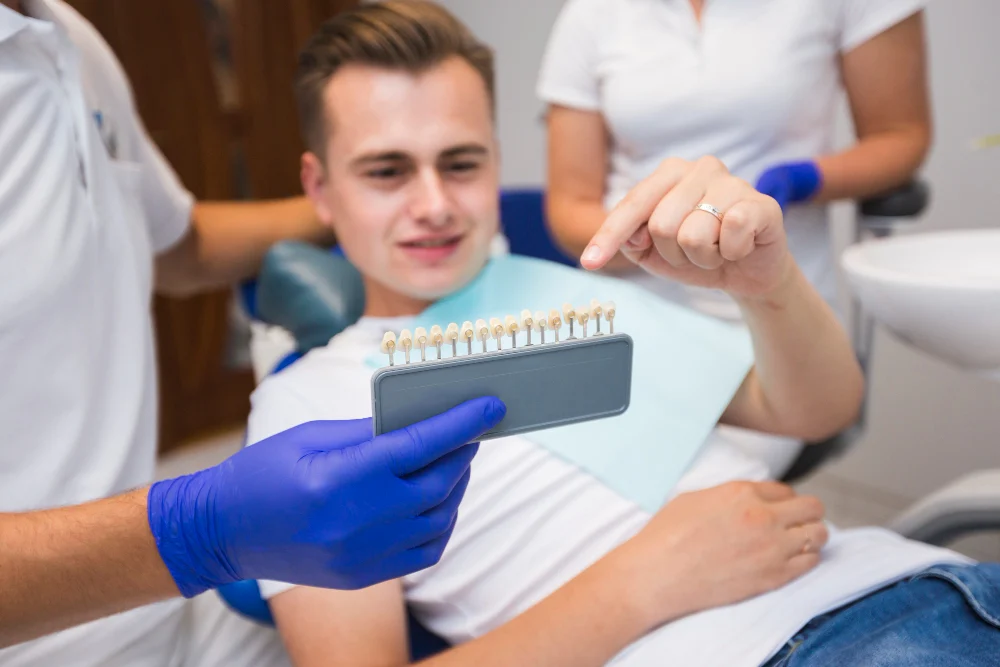
Dental veneers are thin shells that are attached to the front surface of teeth. They are designed to improve the appearance of a smile. Dentists usually make veneers from porcelain or composite resin. Both materials look similar to natural teeth.
Porcelain veneers are more durable and stain-resistant. They also reflect light in a way that looks very natural. Composite veneers are more affordable but may not last as long as porcelain ones.
The main purpose of veneers is cosmetic improvement. They can fix several dental problems. These include stained teeth, chipped teeth, minor gaps, and uneven tooth shapes. Veneers are also used when teeth are slightly misaligned.
The dentist removes a small layer of enamel from the tooth. This creates space for the veneer to fit properly. After that, the veneer is bonded to the tooth with a special dental adhesive.
Because veneers require an existing tooth structure, they cannot replace a tooth that is completely missing. However, they can sometimes be used along with other treatments to improve the final appearance of the smile.
Can Dental Veneers Replace Missing Teeth?
Dental veneers cannot directly replace missing teeth. Veneers need a natural tooth surface for support. If a tooth is completely missing, there is nothing for the veneer to attach to.
However, veneers may still play a role in smile restoration. In some treatment plans, dentists combine veneers with other dental procedures. For example, a dental implant may replace the missing tooth. Veneers can then improve the appearance of surrounding teeth.
Sometimes people lose a very small part of a tooth rather than the entire tooth. In these cases, veneers can help restore the shape and appearance. They act like a protective shell covering the damaged surface.
Veneers can also close gaps created by missing teeth in certain situations. If the space is small, the dentist may reshape nearby teeth with veneers. This makes the smile look fuller without needing complex surgery.
Still, veneers alone cannot act as artificial teeth. Patients with missing teeth usually require implants, bridges, or dentures. A dentist will examine the mouth and suggest the most suitable option.
Common Causes of Missing Teeth
Tooth loss can happen for many reasons. Some causes are related to oral health problems. Others result from accidents or aging. Understanding these causes helps people take preventive steps.
One of the most common causes is severe tooth decay. When cavities become large and untreated, the tooth structure weakens. Eventually, the tooth may break or require removal.
Gum disease is another major cause. This condition damages the tissues that support teeth. Over time, teeth may loosen and fall out if the disease is not treated early.
Injuries and accidents can also lead to tooth loss. Sports injuries, falls, or car accidents may cause teeth to break or get knocked out.
Poor oral hygiene increases the risk of tooth loss. When plaque and bacteria build up in the mouth, they damage both teeth and gums. Smoking and certain medical conditions can also worsen dental health.
Missing teeth should never be ignored. Early treatment helps prevent further complications such as bone loss, shifting teeth, and bite problems.
Dental Problems Caused by Missing Teeth
Missing teeth do more than affect appearance. They can also create serious dental health issues. The longer a tooth remains missing, the greater the risk of complications.
One common problem is shifting teeth. Neighboring teeth may move into the empty space. This can lead to crooked teeth and bite misalignment.
Another issue is bone loss. The jawbone needs stimulation from tooth roots to stay strong. When a tooth is missing, the bone in that area begins to shrink.
Chewing becomes difficult when several teeth are missing. People may avoid certain foods because they feel uncomfortable while eating. This can affect overall nutrition and health.
Speech problems may also occur. Teeth play an important role in forming certain sounds. Missing teeth can cause pronunciation difficulties.
Because of these problems, dentists recommend replacing missing teeth as soon as possible. Early treatment keeps the mouth healthy and prevents further damage.
Dental Veneers for Partially Damaged Teeth
While veneers cannot replace missing teeth, they work very well for damaged teeth. If a tooth is cracked, chipped, or worn down, veneers can restore its appearance.
A veneer covers the front surface of the tooth. This hides imperfections and strengthens the structure. Many people choose veneers because they create a natural and attractive smile.
The procedure is usually quick and minimally invasive. Most treatments require only two or three dental visits. Patients often see immediate improvements in their smile.
Veneers can also correct mild gaps between teeth. If the missing space is small, veneers can reshape nearby teeth. This gives the illusion of a complete smile.
However, veneers are not suitable for severe damage or large gaps. In such cases, dentists may recommend crowns, implants, or bridges. These treatments provide stronger support and long-term stability.
Alternative Treatments for Missing Teeth
When a tooth is missing, dentists usually recommend restorative treatments. These options replace the tooth and restore normal function.
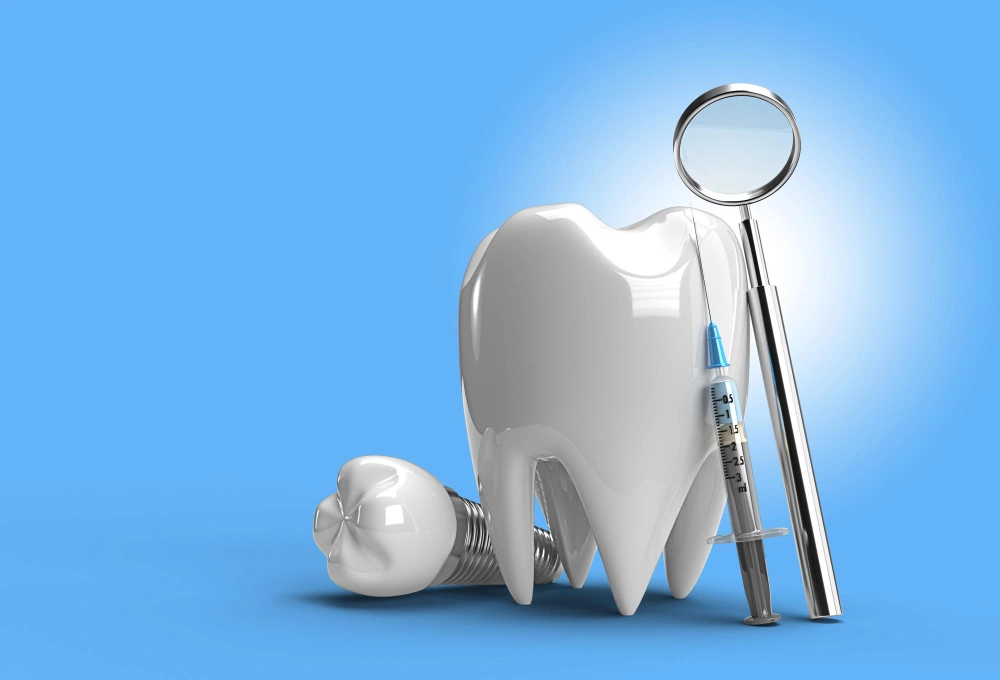
Dental implants are one of the most popular solutions. An implant is a small titanium post placed in the jawbone. It acts like an artificial tooth root. A crown is then attached to the implant.
Dental bridges are another option. A bridge uses nearby teeth as support to hold an artificial tooth in place. This treatment fills the gap and restores chewing ability.
Dentures are used when several teeth are missing. They are removable appliances that replace multiple teeth at once. Modern dentures are more comfortable and natural-looking.
Each treatment has different costs, procedures, and recovery times. A dentist will evaluate oral health, bone structure, and personal needs before recommending the best option.
Benefits of Dental Veneers
Dental veneers offer many cosmetic advantages. They are popular because they provide quick smile transformations.
One major benefit is natural appearance. Porcelain veneers closely resemble real teeth. Their color and texture blend well with the surrounding teeth.
Veneers are also stain-resistant. Coffee, tea, and wine stains affect them less than natural teeth. This keeps the smile bright for many years.
Another advantage is durability. With proper care, porcelain veneers can last 10 to 15 years. Composite veneers may last around 5 to 7 years.
The procedure is minimally invasive. Dentists remove only a small layer of enamel. Recovery time is short, and most patients resume normal activities quickly.
Although veneers cannot replace missing teeth, they are excellent for improving smile aesthetics.
Cost of Dental Veneers
The cost of dental veneers varies depending on several factors. These include the material used, the dentist’s experience, and the location of the dental clinic.
Porcelain veneers are usually more expensive than composite veneers. However, they last longer and offer better aesthetics. Many patients prefer porcelain for long-term results.
The number of veneers also affects the total cost. Some people choose veneers for only one or two teeth. Others may require several veneers to create a balanced smile.
Additional procedures may increase the cost. For example, patients with missing teeth may first need implants or bridges before getting veneers.
Although veneers may seem expensive, they are considered a long-term cosmetic investment. They improve confidence, appearance, and smile symmetry.
Patients should always consult a qualified dentist to understand the exact treatment plan and costs.
How to Care for Dental Veneers
Proper care helps veneers last longer and maintain their appearance. Good oral hygiene is essential.
Brushing teeth twice a day is important. Use a soft toothbrush and non-abrasive toothpaste. This prevents scratching the veneer surface.
Flossing daily removes plaque between teeth. This protects both veneers and natural teeth from decay and gum disease.
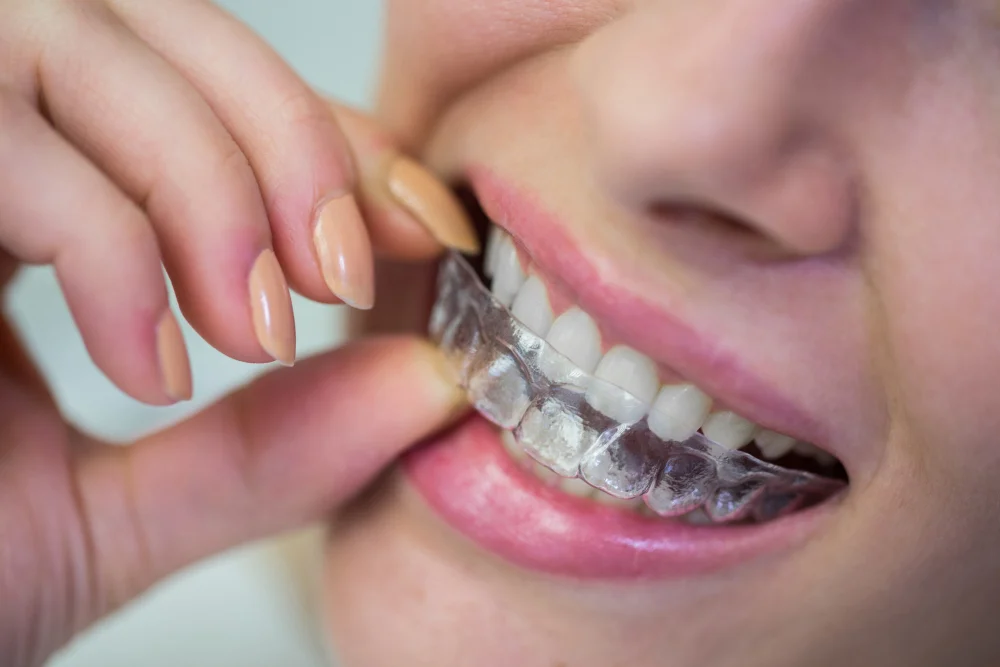
Avoid biting hard objects such as ice or pens. This may damage veneers over time. People who grind their teeth may need a night guard.
Regular dental checkups are also important. Dentists can monitor the condition of veneers and surrounding teeth.
Limiting stain-causing foods and drinks helps maintain a bright smile. Although veneers resist stains, natural teeth around them may still discolor.
With proper care, veneers remain strong and attractive for many years.
Frequently Asked Questions (FAQs)
1. Can dental veneers replace missing teeth?
No. Veneers need a natural tooth to attach to. They cannot replace a completely missing tooth.
2. What is the best treatment for missing teeth?
Dental implants are often the best option. Bridges and dentures are also common alternatives.
3. Can veneers close gaps caused by missing teeth?
They can close small gaps. Large spaces usually require implants or bridges.
4. Are veneers painful?
The procedure is generally painless. Dentists use local anesthesia during treatment.
5. How long do dental veneers last?
Porcelain veneers usually last 10–15 years with proper care.
6. Are veneers better than crowns?
Both serve different purposes. Veneers are cosmetic, while crowns restore damaged teeth.
7. Can veneers fall off?
It is rare, but veneers can detach if damaged or poorly bonded.
8. Are veneers permanent?
Yes. A small amount of enamel is removed, so the process is irreversible.
9. Do veneers look natural?
High-quality porcelain veneers look very similar to natural teeth.
10. Who is a good candidate for veneers?
People with healthy teeth who want to improve the appearance of their smile.
Transform Your Smile with Cureaware
A confident smile can change your life. If you are dealing with missing or damaged teeth, professional guidance is important. The right treatment can restore both function and appearance.
Cureaware helps you connect with trusted dental professionals and advanced treatment options. Whether you need veneers, implants, bridges, or complete smile restoration, expert support is available.
Our goal is to guide patients toward the best dental solutions. We focus on quality care, modern treatments, and personalized recommendations.
Don’t let missing teeth affect your confidence. Take the first step toward a healthier smile today.
Contact Cureaware now and discover the best dental treatments designed for your needs. Your perfect smile starts here.